All our tours are 100% customizable
Cultural tour of Rajasthan – 21 nights/22 days
Price to be reconfirmed - 1645 Euro/pp minimum -02 persons


Delhi-Agra-Fatehpur Sikri-Abhaneri-Jaipur-Pushkar- Jodhpur Ranakpur—Udaipur-Ahmedabad- Siddhapur- -Bajana-Bhuj-Anjar-Gondal-Junagad-Sasan-Gir-Somnath-Diu-Vanakbara-Palitana-Bhavnagar-Lothal-Vadodara-Jambughoda-Champaner-Pavagadh-Ahmedabad

Day 1 Arrival in Delhi

Arrival at New Delhi International Airport.
Once the immigration procedures have been completed and your luggage has been collected, our operator will wait for you outside the Terminal for transfer to the hotel.
Arrival at the hotel and check-in. Standard check-in at 2:00 p.m. / Check-out at 12:00 p.m.
After breakfast visit
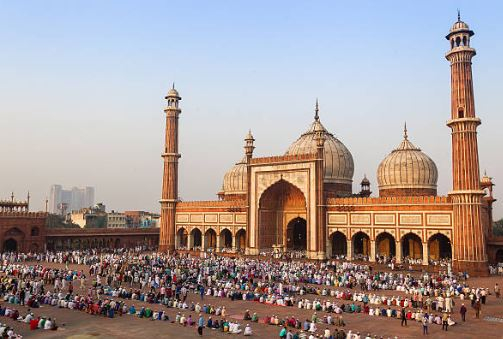
Jama Masjid: – The largest and best-known mosque in India, stands not far from the Red Fort and Chandni Chowk, the oldest and busiest market in old Delhi
Old Delhi: – The characteristic atmosphere of Delhi’s markets can be best enjoyed in Chandni Chowk and generally in the narrow streets teeming with vendors and goods of all kinds at all hours.
Red Fort (Photo stop): – It is one of the works commissioned by the Mughal emperor Shah Jahan in the 17th century, its construction took approximately 9 years of work and 10 million rupees.
Raj Ghat :- Memorial marking the cremation site of Mahatma Gandhi, a man known as the Father of the Nation and a symbol of world pacifism.
India Gate: – In the centre of New Delhi stands the 42 m high India Gate, an “Arch of Triumph” like arch in the middle of a crossroads. Almost similar to its French counterpart, it commemorates the 70,000 Indian soldiers who lost their lives fighting for the British Army during the First World War.
Rashtrapati Bhavan and The Parliament Building (Photo stop) – Home to the president of the world’s largest democracy, you can also see the old and new parliament house.
Laxmi Narayan Temple: – Lord Narayan is with his consort Goddess Laxmi (the goddess of prosperity), so the temple is called Laxminarayan Temple.
Gurudwara Bangla Sahib: – It is one of the most important Sikh gurdwaras, or house of worship of the Sikhs, linked to the eighth Guru, Guru Har Krishan, it is also known for the swimming pool inside its complex, known by the name of “Sarovar”.
Overnight stay in Delhi.
Day 2 Delhi-Agra (244 km, 4 hours and 15 minutes)

After breakfast. Depart to Agra
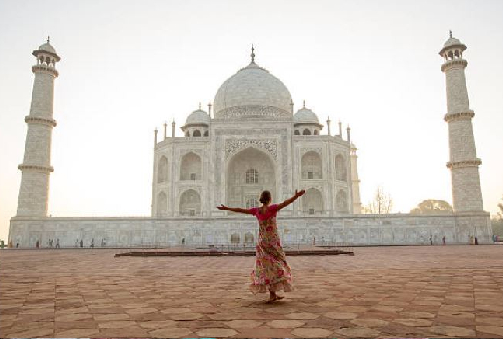
On arrival visit Taj Mahal, one of the seven wonders of the world and a must-see for anyone visiting India, it is considered the most romantic work of art in existence. The construction of this jeweled palace, a symbol of Shah Jahan’s undying love for his beautiful wife Mumtaz Mahal, who died after giving birth to her fourteenth child, was completed in 1653 AD
After visiting the Taj Mahal, proceed to visit the Agra Fort.
Agra Fort – The crescent-shaped Agra Fort lies along the banks of the Yamuna River and was commissioned in 1565 by Akbar, one of the greatest Mughal emperors.
Itimad ud daula – Built by Nur Jahan, in memory of his father Ghias-ud-Din Beg, who was given the title ‘Itimad-ud-Daulah’, meaning ‘Pillar of Government’.
Mehtab Bagh – This beautiful garden is located on the western bank of the Yamuna River and is in perfect alignment with the Taj Mahal Gardens located on the other side of the river.
Overnight in Agra.
Day 3 Agra-Fatehpur Sikri-Abhaneri-Jaipur (241 km 4 hours 30 minutes)

After breakfast drive to Agra.
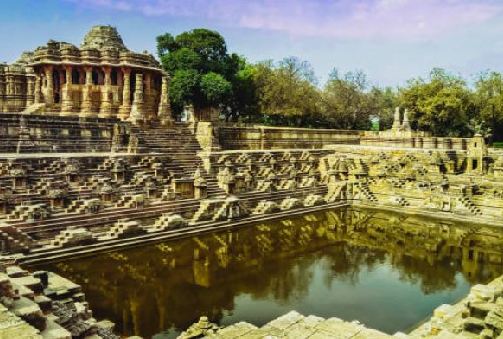
On the way visit the Fatehpur Sikri and then world famous Chand Baori well located in the small village of Abhaneri.
Fatehpur Sikri –Built by the Mughal emperor Akbar in the mid-16th century, Fatehpur Sikri (or City of Victory) was the capital of his empire for 15 years. Built in the Indo-Islamic style, Sikri is a red sandstone complex filled with palaces, mosques, temples and other structures.
Abhaneri is famous for its ‘bhaori’, wells dug by natives to collect rainwater. These structures, depending on the time of year, are used as places to cool off or as water tanks. Chand Baori is the most popular of the wells in the region and is one of the deepest and largest in India
Overnight in Jaipur.

Day 4 Jaipur

After breakfast
Visit Amer Fort: (Optional – Elephant ride)- Amer is a city with an area of ​​4 square kilometres (1.5 sq. mi) located 11 kilometers (6.8 mi) from Jaipur, the capital of Rajasthan. Located on top of a hill, it is the main tourist attraction in the Jaipur area.
Jal Mahal (Photo Stop): Jal Mahal is a work of art which is located in the center of Man Sagar lake, the palace will give you the illusion of almost floating on top of the lake and that is the moment when this The sight takes your breath away.
Jantar Mantar:- It is an equinoctial sundial, consisting of a gigantic triangular gnomon with the hypotenuse parallel to the axis of the earth
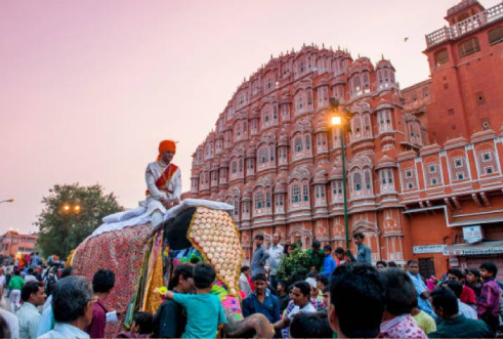
Hawa Mahal (Outdoor Photo Stop): – Hawa Mahal (English translation: “Palace of Winds” or “Palace of Breeze”) is a palace in Jaipur, India, hence its name because it was essentially a wall of tall screen built in a way that women of the royal family could observe street festivals without being seen from the outside
City Palace, Jaipur, comprising the Chandra Mahal and Mubarak Mahal palaces and other buildings, is a palace complex in Jaipur, the capital of the state of Rajasthan, India. It was the seat of the Maharaja of Jaipur, the head of the Kachwaha Rajput clan.
Local Market: – Jaipur which is famous for jewellery and clothing is most visited by people who love both. There are many famous markets in Jaipur selling precious stones, gems, semi-precious stones and jewellery with limited warranty. buy all this .
Overnight in Jaipur.
Day 5 Jaipur-Pushkar (148 KM, 2 Hours 57 Minutes)

After breakfast
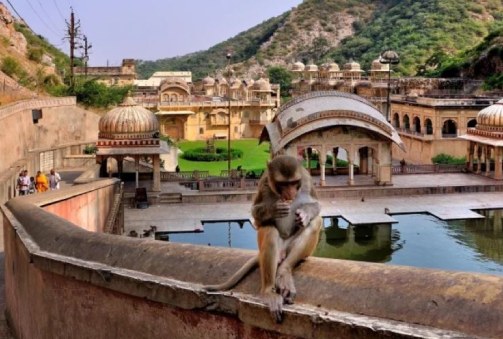
Visit Galtaji Temple: – The temple is also known as the monkey temple as there are many monkeys in it. The temple is dedicated to the god Hanumana, built in the 16th century by Diwan Rao Kriparam, who was an advisor to King Sawai Jai Singh II.
Depart to Pushkar.
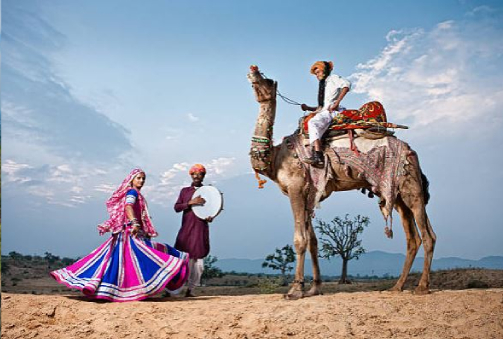
On arrival visit Pushkar is a city overlooking the Thar Desert in the north-eastern Indian state of Rajasthan. It is located on Lake Pushkar, a Hindu sacred site with 52 Ghats (stone stairs) where pilgrims bathe
The Brahma Temple: – The structure dates back to the 14th century. The temple is said to have been built by sage Vishwamitra after the yagna (ritual) of Brahma. It is also believed that Brahma himself chose the site for his temple.
Pushkar Lake: – It is a sacred lake of Hindus. Hindu scriptures describe him as ‘Tirtha-Guru’, the perceiver of pilgrimage sites linked to a body of water and link him with the mythology of the creator god Brahma, whose most important temple is located in Pushkar.
Overnight in Pushkar.
Day 6 Pushkar-Chittorgarh-Udaipur (324 Km, 6 Hours)

After breakfast, drive to Udiapur.
On the way visit the world famous city of Chittorgarh.
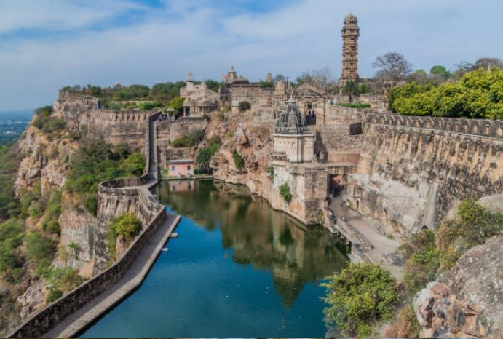
Visit Vijay Stambha:- The Jaya Stambha or Victory Tower, located in Chitor Fort, was erected by Rana Kumbha (ruled 1433-1468) in 1448 to commemorate his victory over the Muslim ruler of Delhi.
Chittorgarh Fort: – The Vijaya Stambha (Victory Tower) or Jaya Stambha, called the symbol of Chittorgarh and a particularly bold expression of triumph, was erected by Rana Kumbha between 1458 and 1468 to commemorate his victory over Mahmud Shah El Khaljis, the Sultan of Malwa, in 1440 AD.
Rana Kumbha Palace: – It is one of the major attractions located inside Chittorgarh Fort near Vijaya Stambha. Originally, the palace was built by Bappa Rawal in 734 AD and later rebuilt by Maharana Kumbha.
Rana Ratan Singh Palace: – Located along Ratneshwar Talab, this palace is one of the best places to visit in Chittorgarh. Ratan Singh Palace is attributed to Rana Ratan Singh II (1528 – 31 AD). It has a rectangular plan and is enclosed by a high wall.
Kirti Stambha: – The 22 meter (72 ft) tower was built by a Jain merchant Jeeja Bhagerwala during the reign of Rawal Kumar Singh in c. 1179–1191 AD.
Upon arrival in Pushkar, transfer to the hotel.
Overnight in Udaipur
Day 7 – Udaipur

After breakfast Visit Udaipur
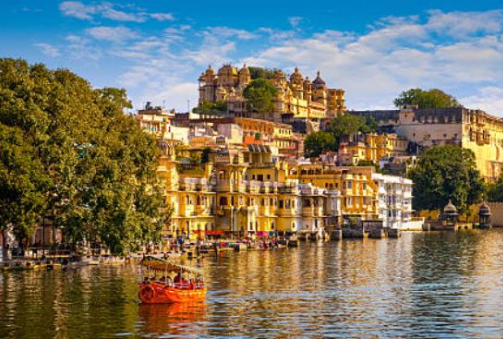
No city in Rajasthan is as romantic as Udaipur. This picturesque town sits on the shores of Lake Pichola. Udaipur is the city of lakes, surrounded by natural and man-made lakes, which are relaxing and crystal clear.
Visit City Palace – It is the largest palace complex in Rajasthan and is located on the eastern bank of the serene Lake Pichola. Built of marble and granite in 1725 by Maharana Udai Singh. A fine blend of medieval Indo-European architecture, you will be amazed by the small luxury of its courtyards, stacked walls, terraces, walkways and lush green gardens.
The Jagadish Temple – Next to the City Palace enshrines a black stone image of Lord Vishnu and his vehicle, a powerful bird called Garuda, in a bronze image. The temple is a good example of Indo-Aryan art. A majestic garden located on one of the shores of Lake Fateh Sagar,
Saheliyon-ki-Bari – It features expensive lawns, shady sidewalks and impressive fountains. It is one of the best places in Udaipur to relax. Later enjoy a boat ride on Lake Pichola (depends on water level).
Lake Pichola –The beautiful expanse of water surrounding the two marvellous structures of Jag Niwas and Jag Mandir, is the lifeline of the city of Udaipur.
Overnight in Udaipur.
Day 8 Udaipur-Ranakpur-Jodhpur (259 km, 5 Hours)

After breakfast. Departure for Jodhpur
On the way visit the Ranakpur Jain temple – The temples of Ranakpur are acclaimed throughout the world for their intricate and superb architectural style. These temples form one of the five major pilgrimages of Jains
Upon arrival in Jodhpur
Enjoy Bishnoi Village Safari
The Bishnoi village of Jodhpur, Rajasthan is a scenic beauty characterized by Khejri trees and deer. Also in the village is the Guda Bishnoi lake. A person interested in wildlife and exotic nature should definitely visit this town.
The Bishnoi and Opium: Although it is now illegal in India and prohibited by the 29 principles of the Bishnoi, the sect still uses it and has received special consent from the Indian government to use opium for “religious” purposes
Transfer to hotel Overnight in Jodhpur.
Day 9 Udaipur-Ahmedabad (257 Hrs, 5 hours)

After breakfast, departure to Ahmedabad
Upon arrival visit Jama Masjid (literally Friday Mosque), also known as Jumah Mosque, is a mosque in Ahmedabad, built in 1424 during the reign of Ahmed Shah I. Situated in the old walled city,
Adlaj Stepwell Situated in the quiet village of Adalaj, this has served as a resting place for many pilgrims and caravans along their trade routes for many years.
Gandhi Ashram, Sabarmati Ashram (also known as Gandhi Ashram, Harijan Ashram or Satyagraha Ashram) is located in the Sabarmati suburb of Ahmedabad, Gujarat, adjacent to Ashram Road, on the banks of the Sabarmati River, 6.5 km from the Municipality.
Hutheesing Jain Temple: - Established in 1848, Hutheesing Jain Temple is one of the most revered Jain temples in Ahmedabad. Dedicated to the 15th Tirthankara of the Jains, Lord Dharmanath, this two-storied white marble structure houses 11 sculptures of deities.
Overnight stay in Ahmedabad.
Day 10 - Ahmedabad-Siddhapur-Patan-Modhera-Bajana (Little Rann of Kutch) (240 Km, 5 Hours)

After breakfast the day begins.
Siddhapur: - One goes to Sidhpur to see the beautiful wooden gardens. Their old Havelis and mansions, some over 100 years old, have a distinctly European feel and a walk through the ‘Bohra Vad’ is like a walk through a cigarette lighter-filled England at dusk.
Patan:- Rani ki Vav (Step well). It was built by Queen Udaymati, wife of Bhimdev, between 11th and 12th century. It is the most magnificent and spectacular stepwell and the best example of such water well architecture.
Patan Patola:- Patan Patola of weaving, patan is Famous for patola weaving, Salvi family is one of them who continued this traditional art and preserved it even today. Patola silk is often called the queen of all silk.
Modhera Sun Temple:- Modhera Sun Temple The Modhera Sun Temple dates back to the early 11th century AD and was built by King Bhimdev I in 1026 AD. The Modhera Temple is the most important of all the sun temples built across Gujarat.
Overnight in Bajana.
Day 11 - Bajana (Little Rann of Kutch)-Ajrakhpur-Bhujodi-Bhuj (275 Kms, 5 Hours.)After breakfast, drive to Bhuj.

Ajarakpur :- Established by the Khatri Muslim hand block printers after the 2001 earthquake. Here the artisans practice the “resistance technique” on cotton/silk fabrics using ancient Ajrakh prints and new design motifs.
Dhaneti: - Visit to see the elaborate embroidery work of the Ahir tribe. Dhaneti is the complete Ahir community village and the Ahir women are doing this embroidery. Our visit would witness around 05-10 women at work.
Bhujodi: - community of master craftsmen - Vankar weavers - skilled in traditional handloom weaving including cotton and wool weaving, which you can see as you walk around the village and explore each house.
Upon arrival, transfer to the hotel.
Overnight stay in Bhuj.
Day 12 - Bhuj-Banni Villages-Greater Rann of Kutch festival-Dhordo-Bhuj

After breakfast.
Visit Banni Villages and Greater Rann of Kutch.
Proceed to visit Banni village enroute take permission (please all clients need to take permission). See various people like Jat, Harijan, Meghawal and Mutva etc. in various villages like Hodka, Ludiya and Dhordo. Banni means “a cluster of village”.
Hodka :- Hodka is derived from the Gujarati word “Hodi” which means “boat”. Since, the villages here are called jheels, where drinking water is available.
Ludiya :- Harijans and Muslims are the major communities of this village. The main occupations are: monsoon agriculture, cattle breeding, intricate wood carving, intricate embroidery, mud work and wall painting for decorating the houses.
Dhordo :- Dhordo to see the beautiful traditional mud houses (Bhungas) with mirror work and its fine Mutwa embroidery with tiny mirrors.
Rann of Kutch Festival - Rann Utsav is an amazing festival of Kutch, Gujarat, India. It is a Carnival of music, dance, beauty of nature of White Rann, where you can experience the luxury of tent cities and much more.
Overnight stay in Bhuj.
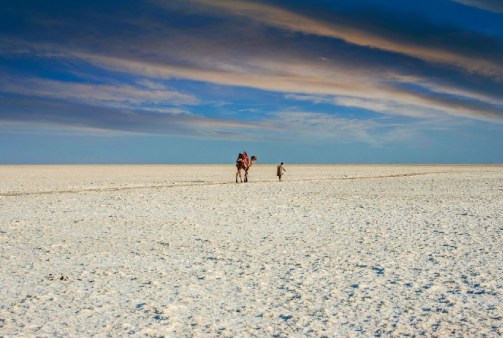
Day 13 - Bhuj-Anjar Market-Gondal (281 km, 5 hours and 50 minutes)

After breakfast, Departure for Gondal.
En route visit Anjar Market :- It is impossible to come to Anjar and go back home empty handed as the markets of the town offer an exciting array of metal handicrafts. Different communities come together in the town to celebrate the Jesai-Toral fair.
Royal Garages :- Royal Garages have a large collection of vintage and classic cars from 1910 to 1955, limousines and sports cars from 1950 and 1960, American cars from 1940 and 1950 and a fleet of four wheel drive vehicles from the Second World War and post war.
Naulakha Darbargadh Palace :- was built in the 17th century. This palace is one of the oldest and beautiful palaces in Gondal. This palace is situated on the banks of the river on a large brick base, about 30 meters above the river bed.
Bhuvaneswari Ayurvedics :- Bhuvaneswari Ayurvedics belongs to a family of Ayurvedic doctors, which has a traditional history of more than 250 years. They also export and manufacture Ayurvedic medicines. All the medicines are prepared using traditional method with advanced equipment under the supervision of our Ayurvedic doctor
Overnight stay in Gondal.
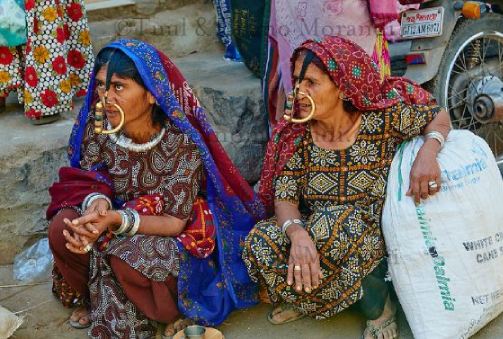
Day 14 - Gondal-Junagadh-Sasan (140 km, 3 hours and 40 minutes)

After breakfast, Departure for Sasan.
En route visit Junagadh, Uparkot Fort:- Said to have been built in 319 BC, the fort was the architectural work of Chandragupta. But the fort has changed hands many times. Remains of different rulers can be seen in some parts of the structure.
Uparkot Cave:- Uparkot Caves, also Uperkot Caves, are ancient artificial caves. The caves are part of the Junagadh Buddhist Cave Group located in the eastern part of Junagadh in the Indian state of Gujarat.
The Khapra Kodiya Caves:- The Khapra Kodiya Caves are part of the Buddhist cave group of Junagadh. They are the oldest of the caves in the group. The caves, based on scribbles and short cursive letters on the wall, are dated to the 3rd-4th century BC during the rule of Emperor Ashoka.
Mahabat Maqbara:- Mahabat Maqbara and Bahauddin Maqbra are mausoleums in Junagadh, Gujarat, India. They were completed in 1892 and 1896 respectively and are dedicated to Mahabat Khan II, the Nawab of Junagadh state and his minister Bahauddin Hussain Bhar respectively.
Adi-kadi Vav:- Adi-kadi Vav, built in the 15th century, is entirely carved out of hard rock. A narrow flight of 120 steps cuts through the stone to meet the well-shaft deep in the stone. Two different legends claim to explain the name of the well
Overnight in Sasan.
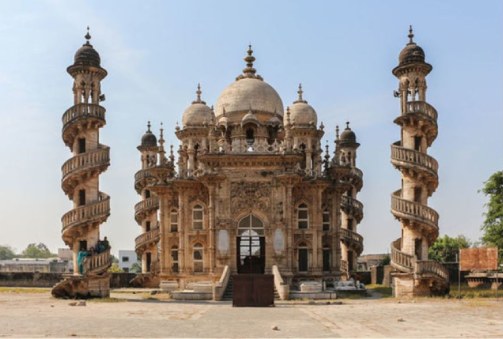
Day 15 - Sasan-Gir-Sasan

After breakfast we proceed for the Lion safari
Gir National Park has been synonymous with the majestic Asiatic lions since time immemorial. And Sasan Gir is the only place in Asia where these lions can be spotted in the wild. Moreover, Gir is endowed with a rich variety of flora and fauna in the Indian subcontinent. A diverse amalgamation of over 600 species of wildlife including 41 species of mammals, 47 species of reptiles and over 300 species of resident and migratory birds offers visitors serene and mesmerizing experiences in the vast expanses of the forest.
Overnight in Sasan
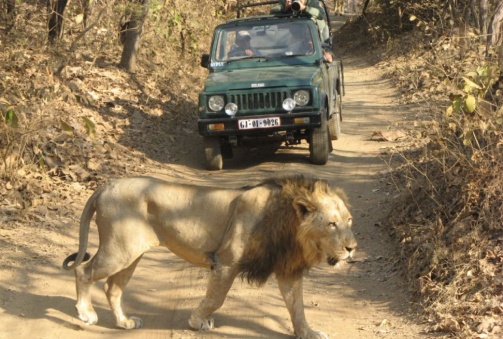
Day 16 - Sasan-Somnath-Diu (138 Km, 4 Hours)

After breakfast the day begins.
On the way you visit a town Somnath.
Somnath Temple: - Somnath Temple, also called Somanātha Temple or Deo Patan Temple, is a Hindu temple located in Prabhas Patan, Veraval in Gujarat, India. It is one of the holiest pilgrimage sites for Hindus and is believed to be the first among the twelve jyotirlinga shrines of Shiva.
Departure for Diu.
Naida Caves: - Naida Caves, Diu are located outside the city walls of Diu Fort, the caves feature a large network of square-step tunnels, which is yet to be fully explored, built by the Portuguese.
Diu Fort: - Diu Fort is a Portuguese-built fortification located on the western coast of India at Diu. The fort was built as part of the defensive fortifications of Portuguese India on the eastern end of the island of Diu in the 16th century.
Overnight stay in Diu.
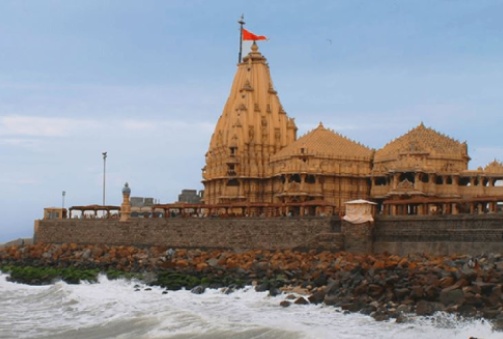
Day 17 - Diu-Vanakbara-Palitana-Bhavnagar (200 Km, 4 hr Hours) (Half board with buffet dinner)

After breakfast the day begins.
This day You have to get up early, to visit the fishing village of Vanakbara , a charming fishing village and one of the highlights of the island. It is great to wander around the harbor, full of colorful fishing boats and lively activities, the best around 06:30 to 08:00 when the fishing fleet returns and sells their catch.
We return to the hotel for breakfast.
After breakfast, depart for Bhavnagar.
En route visit a Palitana town :- Palitana which is located 60 km from Bhavnagar. The Palitana hills are known as the "Abode of the Gods" and are covered with 863 Jain temples spanning a period of over 900 years.
On arrival at Bhavnagar transfer to hotel.
Overnight stay at Bhavnagar.
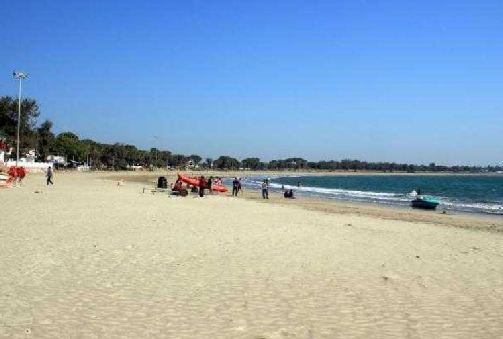
Day 18 - Bhavnagar (Half board with buffet dinner)

After breakfast the day begins.
Takhteshwar Mahadev Temple: - Brief History: The temple is believed to have been commissioned by Maharaja Takhtsinhji in 1893 A.D. He was anointed as the Maharaja of Bhavnagar, after the death of his father, Jaswantsinhji in 1870.
Barton Museum: - Barton Museum is located on the ground floor of Gandhi Smriti, where you can find a wide range of artefacts like religious sculptures and nutcrackers representing the culture of Saurashtra.
The Market: - Bhavnagar has interesting local markets. This ancient city of Gujarat has some ancient souvenirs spread across genres like embroidered clothes, jewellery, intricate woodwork and handicrafts. There are a number of street markets and local malls that offer a fulfilling shopping experience in Bhavnagar.
Overnight stay at Bhavnagar.
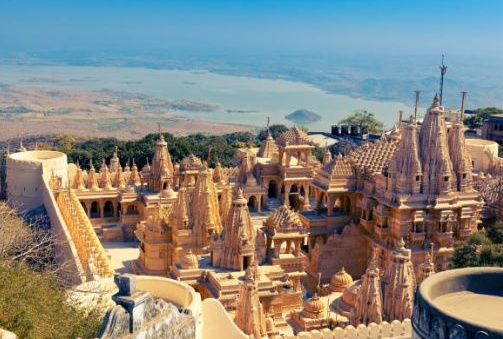
Day 19 - Bhavnagar-Lothal-Vadodara (225 Km, 4 Hours and 35 Minutes)

After breakfast, drive to Vadodara.
Along the way you will visit the archaeological site of Lothal (closed on Fridays and public holidays ) is one of the most important cities of the ancient Indus Valley civilization, located in the Bhāl region of the modern state of Gujarāt and dating back to 3700 BC. Discovered in 1954.
On arrival in Vadodara visit Aurobindo Ashram: - Built in 1896, Aurobindo Ashram (also known as Aurobindo Nivas) in Dandia Bazaar is the only national memorial in Vadodara.
Khanderao Market: - Khanderao Market is a famous and palatial building located in the city of Vadodara in Gujarat, Western India. It was erected by Maharaja Sayajirao Gaekwad III in 1906, named after Khande Rao Gaekwad, Maharaja of Baroda
Overnight stay in Vadodara.
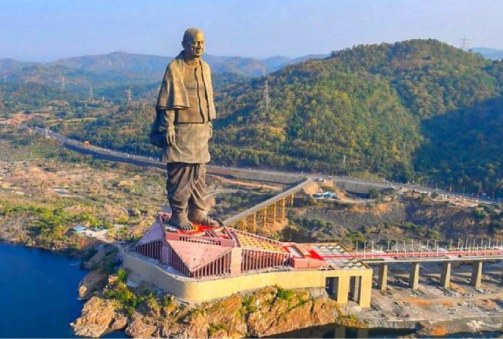
Day 20 - Vadodara-Jambaugoda (100 Km, 2 Hours)

After breakfast, drive to Jambaugoda.
Weekly tribal market is visited to see the Rathwa and Dhanka tribes in and around the region. There is a town called Alirajpur of the Rathore Rajput rulers and from Rathore came the RATH region and from Rath the tribals are called Rathwa.
Subsequently, Bhasha Research and Publication Centre (closed on Sundays and holidays) The Adivasi Academy is established by Bhasha at Tejgadh in Chhotaudepur district of Gujarat as an institute to combine the functions of the country’s national academies, museums and literary bodies, while respecting Adivasi culture, arts and literature.
Overnight stay at Jambughoda.
Day 21 - Jambughoda-Champaner-Pavagadh-Ahmedabad (205 Km, 4 Hours)

After breakfast, drive to Ahmedabad.
Along the way you will visit Champaner-Pavagadh archaeological park
Champaner is an ancient fortified city. There are two stories about the origin of the name of this city. Some believe that it was named after Champaraj who was the founder of the city, while others believe that the city was named after the champa tree that is found here.
Nagina Masjid (meaning "jewel mosque") is a mosque in Champaner, Gujarat, western India. It was built during the period of Mahmud Begada, in the 15th century, like many other masjids, such as Kevada, Bawaman, Ek Minar, Jama, Khajuri and Shahar Ki. It has minarets, globe-shaped domes and narrow staircases. It is part of the Champaner-Pavagadh Archaeological Park, a UNESCO World Heritage Site
Overnight stay in Ahmedabad.
Day 22 - Ahmedabad-Next Destination

Transfer to the international airport as per flight schedule.
Ciao India Tours wishes you a pleasant journey.

Inclusions:

  • 21 nights’ accommodation in 3 star/Heritage hotels with breakfast, including all existing taxes.
  • All transfers from the airport to the hotel and vice versa.
  • Meet and assist upon arrival/departure by our representative at the airport.
  • Transfers, sightseeing, excursions as per air-conditioned program with Innova crysta car or similar.
  • Lion safari in Gir.
  • One bottle of water per person per day.
  • All taxes included.
  • Toll, Parking, Fuel, Driver's accommodation.

Exclusions:

  • Visa, International flight, Health insurance, cancellation of flights, trains, Tips, Tour guide, Monument tickets, Activities, Personal expenses, Camera etc.
  • Everything that is not included in the inclusions.
 

Contact us to ask for quote via WhatsApp, Chat, query form or email.
WhatsApp – +919971981381
Email – info@ciaoindiatours.com

Golden Triangle with Vrindavan – 07 Nights / 08 Days

All our tours are 100% customizable
Price to be reconfirmed – starting from 380 Euro per person (minimum 2 persons)

Route: Delhi → Jaipur → Abhaneri → Fatehpur Sikri → Agra → Vrindavan → Delhi

Day 1 – Arrival in Delhi

Arrival at New Delhi International Airport. After immigration procedures and baggage collection, meet our representative outside the terminal and transfer to the hotel. Check-in from 14:00 hrs.

Jama Masjid – One of the largest mosques in India built by Mughal Emperor Shah Jahan in the 17th century. Located near Chandni Chowk, it is an important religious and historical monument.

Old Delhi & Chandni Chowk – Walk through historic streets full of traditional markets, street food and local life reflecting the Mughal period.

Red Fort (photo stop) – UNESCO World Heritage Site built in red sandstone, once the residence of Mughal emperors.

Raj Ghat – Memorial dedicated to Mahatma Gandhi marking the place of his cremation and symbolizing peace.

Laxmi Narayan Temple (Birla Temple) – Hindu temple dedicated to Lord Vishnu and Goddess Laxmi symbolizing prosperity and devotion.

India Gate (photo stop) – War memorial dedicated to Indian soldiers who died during World War I.

President’s House & Parliament Buildings (photo stop) – Important government buildings located in New Delhi.

Gurudwara Bangla Sahib – One of the most important Sikh temples known for its golden dome and sacred water tank.

Overnight stay in Delhi.

Day 2 – Delhi to Jaipur (281 km / 5 hours)

After breakfast, depart for Jaipur. Arrival and transfer to hotel.

Birla Temple Jaipur – A white marble temple located at the foot of Moti Dungri Fort dedicated to Lord Vishnu and Goddess Laxmi.

Gemstone Processing in Jaipur –Skilled artisans transform raw stones into beautifully shaped gems used in high-quality jewellery, preserving techniques passed down through generations.

Overnight stay in Jaipur.

Day 3 – Jaipur Sightseeing

After breakfast, visit the monuments of Jaipur.

Amer Fort – Hilltop fort built in the 16th century known for impressive architecture and panoramic views.

Jal Mahal (photo stop) – Palace located in the middle of Man Sagar Lake appearing to float on water.

City Palace – Royal residence combining Mughal and Rajasthani architectural styles, partly converted into a museum.

Jantar Mantar – UNESCO-listed astronomical observatory used to measure celestial movements.

Hawa Mahal (photo stop) – Palace of Winds built so royal ladies could observe daily street life unseen.

Galtaji Temple – Historic temple complex surrounded by hills and sacred water tanks.

Overnight stay in Jaipur.

Day 4 – Jaipur – Abhaneri – Fatehpur Sikri – Agra (241 km / 4.5 hours)

After breakfast, depart for Agra.

En route visit Abhaneri – Chand Baori Stepwell – Historic stepwell built to collect rainwater, famous for its impressive geometric design and depth.

Continue towards Agra visiting Fatehpur Sikri.

Fatehpur Sikri – Former Mughal capital built by Emperor Akbar in the 16th century. The complex includes palaces, mosques and courtyards constructed in red sandstone.

Arrival in Agra and transfer to hotel.

Overnight stay in Agra.

Day 5 – Agra Sightseeing

After breakfast, visit the monuments of Agra.

Taj Mahal (Closed on Fridays) – One of the Seven Wonders of the World built by Shah Jahan in memory of Mumtaz Mahal. The white marble monument symbolizes eternal love.

Agra Fort – UNESCO World Heritage Site built by Emperor Akbar featuring palaces, halls and historic courtyards.

Itimad-ud-Daulah – Marble tomb built by Nur Jahan for her father, considered the inspiration for the Taj Mahal.

Mehtab Bagh – Garden located across the Yamuna River offering panoramic views of the Taj Mahal.

Sadar Bazaar – Popular local market known for handicrafts, sweets, leather goods and souvenirs.

Overnight stay in Agra.

Day 6 – Agra – Vrindavan – Delhi (237 km / 4 hrs)

After breakfast, depart for Delhi.

En route visit Vrindavan – Sacred town associated with the childhood of Lord Krishna and home to many important temples.

Prem Mandir – Temple dedicated to Radha Krishna and Sita Ram, famous for its white marble architecture and spiritual atmosphere.

ISKCON Temple – One of the most important temples dedicated to Lord Krishna built by the International Society for Krishna Consciousness.

Upon arrival in Delhi visit:

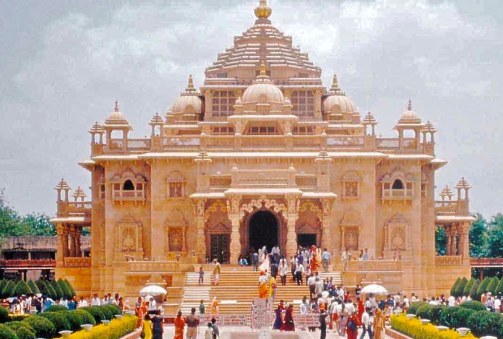
Akshardham Temple (Closed on Mondays) – One of the largest Hindu temples in the world showcasing Indian culture, architecture and spirituality.
Note: Sleeveless clothing, shorts and electronic items are not permitted inside the temple.

Transfer to hotel.

Overnight stay in Delhi.

Day 7 – Delhi – Departure

Transfer to New Delhi International Airport for onward journey.

Ciao India Tours wishes you a pleasant journey.

Inclusions

  • 6 nights accommodation in 4-star or heritage hotels with breakfast
    • Airport transfers as per itinerary
    • All transfers as per program
    • Italian-speaking guide during the trip
    • Wi-Fi during transfers
    • One bottle of water per person per day
    • All tolls, parking, fuel and driver expenses
    • All applicable taxes

Exclusions

  • Visa and international flights
    • Travel insurance
    • Monument entrance fees
    • Lunch and dinner
    • Personal expenses
    • Tips and beverages
    • Camera fees
    • Anything not mentioned in inclusions

Golden Triangle with Rishikesh – 09 Nights / 10 Days

All our tours are 100% customizable
Price to be reconfirmed – starting from 560 Euro per person (minimum 2 persons)

Route: Delhi → Jaipur → Abhaneri → Fatehpur Sikri → Agra → Vrindavan → Rishikesh → Delhi

Day 1 – Arrival in Delhi

Arrival at New Delhi International Airport. After immigration and baggage collection, meet our representative outside the terminal and transfer to the hotel. Check-in from 14:00 hrs.

Jama Masjid – One of the largest mosques in India built by Mughal Emperor Shah Jahan in the 17th century. Located near Chandni Chowk, it represents the Islamic heritage of Old Delhi.

Old Delhi & Chandni Chowk – Walk through historic streets full of traditional markets and local life reflecting the Mughal era atmosphere.

Red Fort (photo stop) – UNESCO World Heritage Site built in red sandstone, once the residence of Mughal emperors.

Raj Ghat – Memorial dedicated to Mahatma Gandhi marking the place of his cremation.

India Gate (photo stop) – War memorial dedicated to Indian soldiers who lost their lives during World War I.

President’s House & Parliament Buildings (photo stop) – Important government buildings located in New Delhi.

Laxmi Narayan Temple (Birla Temple) – Hindu temple dedicated to Lord Vishnu and Goddess Laxmi symbolizing prosperity and devotion.

Gurudwara Bangla Sahib – One of the most important Sikh temples known for its golden dome and sacred water tank.

Overnight stay in Delhi.

Day 2 – Delhi to Jaipur (281 km / 5 hours)

After breakfast, depart for Jaipur. Arrival and transfer to hotel.

Birla Temple Jaipur – White marble temple located at the foot of Moti Dungri Fort dedicated to Lord Vishnu and Goddess Laxmi.

Gemstone Processing in Jaipur –Skilled artisans transform raw stones into beautifully shaped gems used in high-quality jewellery, preserving techniques passed down through generations.

Overnight stay in Jaipur.

Day 3 – Jaipur Sightseeing

After breakfast, visit the monuments of Jaipur.

Amer Fort – Hilltop fort built in the 16th century known for artistic architecture and panoramic views.

Jal Mahal (photo stop) – Palace located in the middle of Man Sagar Lake appearing to float on water.

City Palace – Royal palace combining Mughal and Rajasthani architectural styles, partly converted into a museum.

Jantar Mantar – UNESCO-listed astronomical observatory used to measure celestial movements.

Hawa Mahal (photo stop) – Palace of Winds built so royal ladies could observe street life unseen.

Galtaji Temple – Historic temple complex surrounded by hills and sacred water tanks. Famous as monkey temple due to the presence of many monkeys.

Overnight stay in Jaipur.

Day 4 – Jaipur – Abhaneri – Fatehpur Sikri – Agra (241 km / 4.5 hours)

After breakfast, depart for Agra.

En route visit Abhaneri – Chand Baori Stepwell – Historic stepwell built to collect rainwater, famous for its impressive geometric design.

Continue towards Agra visiting Fatehpur Sikri.

Fatehpur Sikri – Former Mughal capital built by Emperor Akbar in the 16th century. The complex includes palaces, mosques and courtyards made of red sandstone.

Arrival in Agra and transfer to hotel.

Overnight stay in Agra.

Day 5 – Agra Sightseeing

After breakfast, visit the monuments of Agra.

Taj Mahal (Closed on Fridays) – One of the Seven Wonders of the World built by Shah Jahan in memory of Mumtaz Mahal. The white marble monument symbolizes eternal love.

Agra Fort – UNESCO World Heritage Site built by Emperor Akbar featuring palaces, halls and courtyards.

Itimad-ud-Daulah – Marble tomb built by Nur Jahan for her father, considered a precursor of the Taj Mahal.

Mehtab Bagh – Garden located across the Yamuna River offering panoramic views of the Taj Mahal.

Sadar Bazaar – Popular local market known for handicrafts, sweets and souvenirs.

Overnight stay in Agra.

Day 6 – Agra – Vrindavan – Delhi (237 km / 4 hrs)

After breakfast, depart for Delhi.

En route visit Vrindavan – Sacred town associated with the childhood of Lord Krishna and home to many important temples.

Prem Mandir – Temple dedicated to Radha Krishna and Sita Ram, famous for its white marble architecture and spiritual atmosphere.

ISKCON Temple – One of the most important temples dedicated to Lord Krishna built by the International Society for Krishna Consciousness.

Akshardham Temple (Closed on Mondays) – One of the largest Hindu temples in the world showcasing Indian culture, architecture and spirituality.
Note: Sleeveless clothing, shorts and electronic items are not permitted inside the temple.

Arrival in Delhi and transfer to hotel.

Overnight stay in Delhi.

Day 7 – Delhi – Haridwar – Rishikesh (248 km / 4.5 hours)

After breakfast, depart for Rishikesh.

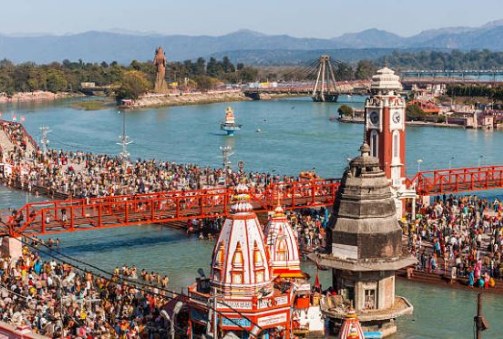
En route visit Haridwar – Har Ki Pauri – One of the holiest ghats on the River Ganges where pilgrims perform sacred rituals and prayers.

Local Market Haridwar – Traditional market known for religious items, handicrafts and spiritual souvenirs.

Arrival in Rishikesh and transfer to hotel.

Overnight stay in Rishikesh.

Day 8 – Rishikesh Sightseeing

After breakfast, visit the spiritual sites of Rishikesh.

Laxman Jhula – Famous suspension bridge over the River Ganges associated with Hindu mythology.

Ashrams & Gita Bhawan – Spiritual centers known for yoga, meditation and religious teachings.

Triveni Ghat – Sacred bathing ghat where pilgrims take holy dips in the Ganges.

Ram Jhula – Suspension bridge connecting important ashrams and temples across the river.

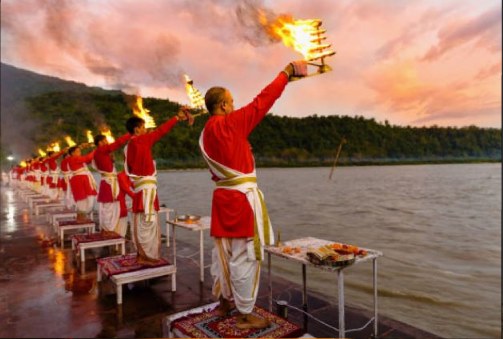
Ganga Aarti Ceremony – Evening spiritual ritual performed on the banks of the River Ganges with lamps and prayers.

Overnight stay in Rishikesh.

Day 9 – Rishikesh – Delhi (248 km / 4.5 hours)

After breakfast, depart for Delhi.

Upon arrival visit local markets:

Agrasen Ki Baoli – Historic stepwell believed to date back to ancient times, known for its unique architecture.

Connaught Place – Historic commercial centre of Delhi known for colonial architecture, shops and restaurants.

Janpath Market – Popular street market offering handicrafts, textiles and souvenirs.

Palika Bazaar – Underground market known for clothing, accessories and electronic items.

Overnight stay in Delhi.

Day 10 – Delhi – Departure

Transfer to New Delhi International Airport for onward journey.

Ciao India Tours wishes you a pleasant journey.

Inclusions

  • 9 nights accommodation in 3-star or heritage hotels with breakfast
  • Airport transfers as per itinerary
  • All transfers as per program
  • Wi-Fi during transfers
  • One bottle of water per person per day
  • All taxes included
  • Toll, parking, fuel and driver expenses

Exclusions

  • Visa and international flights
  • Travel insurance
  • Monument entrance fees and activities
  • Lunch and dinner
  • Personal expenses
  • Tips and beverages
  • Camera fees
  • Anything not mentioned in inclusions

Golden Triangle with Ranthambhore – 06 Nights / 07 Days

All our tours are 100% customizable
Price starting from 480 Euro per person (minimum 2 persons)

Route: Delhi → Jaipur → Ranthambhore → Abhaneri → Fatehpur Sikri → Agra → Delhi

Day 1 – Arrival in Delhi

Arrival at New Delhi International Airport. After immigration and baggage collection, meet our representative outside the terminal and transfer to the hotel. Check-in from 14:00 hrs.

Jama Masjid – One of the largest mosques in India built by Mughal Emperor Shah Jahan in the 17th century. Located near Chandni Chowk, it represents the rich Islamic heritage of Old Delhi.

Old Delhi & Chandni Chowk – Walk through historic streets filled with traditional markets and local life reflecting the Mughal era atmosphere.

Red Fort (photo stop) – UNESCO World Heritage Site built in red sandstone, once the residence of Mughal emperors.

Raj Ghat – Memorial dedicated to Mahatma Gandhi, marking the place of his cremation and symbolizing peace.

India Gate (photo stop) – War memorial dedicated to Indian soldiers who lost their lives during World War I.

President’s House & Parliament Buildings (photo stop) – Drive past the main government buildings located in New Delhi.

Laxmi Narayan Temple (Birla Temple) – Hindu temple dedicated to Lord Vishnu and Goddess Laxmi, symbolizing prosperity and devotion.

Gurudwara Bangla Sahib – One of the most important Sikh temples known for its golden dome and sacred water tank.

Overnight stay in Delhi.

Day 2 – Delhi to Jaipur (281 km / 5 hours)

After breakfast, depart for Jaipur. Arrival and transfer to the hotel.

Birla Temple Jaipur – A beautiful white marble temple located at the foot of Moti Dungri Fort, dedicated to Lord Vishnu and Goddess Laxmi.

Gemstone Processing in Jaipur –Skilled artisans transform raw stones into beautifully shaped gems used in high-quality jewellery, preserving techniques passed down through generations.

Overnight stay in Jaipur.

Day 3 – Jaipur Sightseeing

After breakfast, visit the monuments of Jaipur.

Amer Fort – Hilltop fort built in the 16th century by Raja Man Singh, known for impressive architecture and panoramic views.

Jal Mahal (photo stop) – Palace located in the middle of Man Sagar Lake appearing to float on water.

City Palace – Royal palace combining Mughal and Rajasthani architectural styles, partly converted into a museum.

Jantar Mantar – UNESCO-listed astronomical observatory used to measure celestial movements.

Hawa Mahal (photo stop) – Palace of Winds built with pink sandstone allowing royal ladies to observe street life unseen.

Galtaji Temple – Historic temple complex surrounded by hills, known for its sacred water tanks and monkeys.

Overnight stay in Jaipur.

Day 4 – Jaipur – Ranthambhore (175 km / 3.5 hours)

After breakfast, depart for Ranthambhore. Upon arrival, transfer to the hotel.

In the afternoon, enjoy a safari inside Ranthambhore National Park.

Ranthambhore National Park – One of the most famous wildlife reserves in India, known for its population of Bengal tigers. The park features lakes, forests and ancient ruins creating a unique natural environment.

Overnight stay in Ranthambhore.

Day 5 – Ranthambhore – Abhaneri – Fatehpur Sikri – Agra (300 km / 4 hrs 45 min)

Early morning safari in Ranthambhore National Park.

Return to hotel and after breakfast, depart for Agra.

En route visit Abhaneri – Chand Baori Stepwell – Historic stepwell built to collect rainwater, famous for its geometric design and impressive depth.

Continue towards Agra.

(If you have time visit) Fatehpur Sikri – Former Mughal capital built by Emperor Akbar in the 16th century. The complex includes palaces, mosques and courtyards made of red sandstone.

Arrival in Agra and transfer to hotel.

Overnight stay in Agra.

Day 6 – Agra – Delhi (237 km / 4.5 hours)

After breakfast, visit the monuments of Agra.

Taj Mahal (Closed on Fridays) – One of the Seven Wonders of the World built by Shah Jahan in memory of Mumtaz Mahal. The white marble monument symbolizes eternal love.

Agra Fort – UNESCO World Heritage Site built by Emperor Akbar featuring palaces, halls and historic courtyards.

After the visit, depart for Delhi. Upon arrival, transfer to the hotel.

Overnight stay in Delhi.

Day 7 – Delhi – Departure

Transfer to New Delhi International Airport for onward journey.

Ciao India Tours wishes you a pleasant journey.

Inclusions

  • 6 nights accommodation in 4-star or heritage hotels with breakfast
  • Airport transfers as per itinerary
  • All transfers as per program
  • Morning safari in Ranthambhore
  • Afternoon safari in Ranthambhore
  • One bottle of water per person per day
  • Wi-Fi during transfers
  • All taxes included

Exclusions

  • Visa and international flights
  • Travel insurance
  • Monument entrance fees and activities
  • Lunch and dinner
  • Personal expenses
  • Tips and beverages
  • Camera fees
  • Anything not mentioned in inclusions

Golden Triangle with Khajuraho – 10 Nights / 11 Days

All our tours are 100% customizable
Price starting from 810 Euro per person (minimum 2 persons)

Route: Delhi → Jaipur → Abhaneri → Fatehpur Sikri → Agra → Morena → Gwalior → Orchha → Khajuraho → Varanasi → Delhi

Day 1 – Arrival in Delhi

Arrival at New Delhi International Airport. After immigration and baggage collection, meet our representative outside the terminal and transfer to the hotel. Check-in from 14:00 hrs.

Jama Masjid – One of the largest mosques in India built by Mughal Emperor Shah Jahan in the 17th century. It is an important religious and architectural landmark located in Old Delhi.

Old Delhi & Chandni Chowk – Walk through historic streets filled with traditional markets, local food and centuries-old shops reflecting the Mughal era atmosphere.

Red Fort (photo stop) – UNESCO World Heritage Site built in red sandstone by Shah Jahan. It served as the residence of Mughal emperors for nearly two centuries.

Raj Ghat – Memorial dedicated to Mahatma Gandhi, marking the place of his cremation and symbolizing peace and simplicity.

India Gate (photo stop) – War memorial dedicated to Indian soldiers who lost their lives during World War I.

President’s House & Parliament Buildings (photo stop) – Drive past the important government buildings located in the heart of New Delhi.

Laxmi Narayan Temple (Birla Temple) – Hindu temple dedicated to Lord Vishnu and Goddess Laxmi, representing prosperity and devotion.

Gurudwara Bangla Sahib – One of the most important Sikh temples known for its golden dome and sacred water tank.

Overnight stay in Delhi.

Day 2 – Delhi to Jaipur (281 km / 5 hours)

After breakfast, depart for Jaipur. Arrival and transfer to the hotel.

Birla Temple – A white marble temple located at the foot of Moti Dungri Fort dedicated to Lord Vishnu and Goddess Laxmi.

Gemstone Processing in Jaipur –Skilled artisans transform raw stones into beautifully shaped gems used in high-quality jewellery, preserving techniques passed down through generations.

Overnight stay in Jaipur.

Day 3 – Jaipur Sightseeing

After breakfast, visit the monuments of Jaipur.

Amer Fort – Hilltop fort built in the 16th century by Raja Man Singh. Known for its impressive architecture and panoramic views.

Jal Mahal (photo stop) – A beautiful palace located in the middle of Man Sagar Lake appearing to float on the water.

City Palace – Royal residence combining Mughal and Rajasthani architecture, now partly converted into a museum.

Jantar Mantar – UNESCO-listed astronomical observatory featuring instruments used to measure time and celestial movements.

Hawa Mahal (photo stop) – Palace of Winds built with pink sandstone allowing royal ladies to observe street life unseen.

Galtaji Temple (Monkey Temple) – Historic temple complex surrounded by hills and natural water tanks, known for its spiritual atmosphere.

Overnight stay in Jaipur.

Day 4 – Jaipur – Abhaneri – Fatehpur Sikri – Agra (241 km / 4.5 hours)

After breakfast, depart for Agra.

En route visit Abhaneri – Chand Baori Stepwell – One of the deepest and largest stepwells in India built to store rainwater. Famous for its unique geometric architecture.

Continue towards Agra visiting Fatehpur Sikri.

Fatehpur Sikri – Former Mughal capital built by Emperor Akbar in the 16th century. The complex includes palaces, mosques and courtyards made of red sandstone.

Arrival in Agra and transfer to hotel.

Overnight stay in Agra.

Day 5 – Agra Sightseeing

After breakfast, visit the monuments of Agra.

Taj Mahal (Closed on Fridays)– One of the Seven Wonders of the World built by Shah Jahan in memory of his wife Mumtaz Mahal. Symbol of eternal love in white marble.

Agra Fort – UNESCO World Heritage Site built by Emperor Akbar featuring palaces, halls and gardens.

Itimad-ud-Daulah – Marble tomb built by Nur Jahan for her father, considered the inspiration for the Taj Mahal design.

Mehtab Bagh – Garden located on the opposite bank of the Yamuna River offering panoramic views of the Taj Mahal.

Overnight stay in Agra.

Day 6 – Agra – Morena – Gwalior (120 km / 2.5 hours)

After breakfast, depart for Gwalior.

En route visit Morena Temples

Bateshwar Temple Complex – Ancient group of temples located on a hill near Morena. The site features numerous small temples dedicated to Lord Shiva.

Chausath Yogini Temple – Circular temple dedicated to sixty-four yoginis, situated on a hill offering panoramic views of the surrounding countryside.

Arrival in Gwalior and transfer to hotel.

Overnight stay in Gwalior.

Day 7 – Gwalior – Orchha – Khajuraho (293 km / 5 hours)

After breakfast, depart for Khajuraho.

En route visit Orchha

Orchha Fort Complex – Historic fort built by Bundela Rajput rulers in the 16th century. The complex includes palaces, temples and courtyards.

Cenotaphs (Chhatris) – Royal tombs located on the banks of Betwa River, known for their architectural beauty and reflection in the water.

Ram Raja Temple – Unique temple where Lord Rama is worshipped as a king. The temple has great religious importance.

Arrival in Khajuraho and transfer to hotel.

Overnight stay in Khajuraho.

Day 8 – Khajuraho – Varanasi (By evening Train)

After breakfast, visit the famous temples of Khajuraho.

Western Group of Temples – The most important temples dedicated to Hindu deities, famous for detailed carvings and architectural beauty.

Eastern Group of Temples – Includes Hindu and Jain temples known for intricate sculptures and peaceful surroundings.

Southern Group of Temples – Smaller temples known for refined architecture and artistic carvings.

After visits, depart for railway station according to train schedule for Varanasi.

Upon arrival transfer to the hotel.

Overnight stay in Varanasi.


Day 9 –Varanasi

Sarnath Archaeological Park – Ruins of ancient monasteries, stupas and temples dating from 3rd century BC to 12th century AD.

Wat Thai Temple – Temple built in Thai architectural style surrounded by peaceful gardens.

Return to Varanasi. Check in at hotel and time for relax.

Bharat Mata Temple –The temple symbolizes unity and pays tribute to freedom fighters, leaders and spiritual figures of India rather than traditional deities.

Banaras Hindu University (BHU) –Banaras Hindu University is one of the most prestigious universities in India and internationally recognized for its academic excellence and historic campus.

Walking tour of the city – The walk begins at Tulsi Ghat, dedicated to the poet-saint Tulsidas. Continue on foot through the heart of Varanasi visiting ancient sites such as Lolark Kund, the cremation ghat Harishchandra Ghat, and important temples including Kedareshwar Mandir and Shav Shiva Kali Temple, experiencing the spiritual atmosphere of the city.

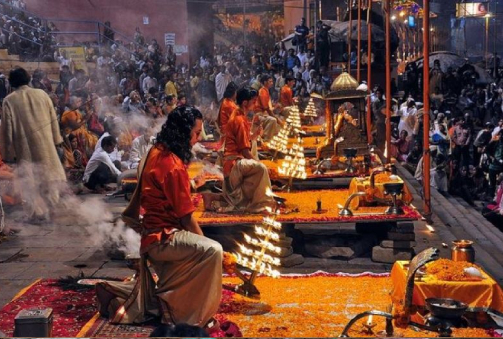
Ganga Aarti Ceremony – Evening spiritual ceremony performed on the banks of River Ganges with lamps, prayers and chanting.

Overnight stay in Varanasi.

Day 10 – Varanasi – Delhi (Flight)

Early morning boat ride on the River Ganges to observe daily rituals along the ghats.

Manikarnika Ghat – One of the most sacred cremations ghats in India symbolizing the cycle of life and liberation.

Kashi Vishwanath Temple (outside visit) – One of the most important Hindu temples dedicated to Lord Shiva, also known as the Golden Temple.

Return to hotel for breakfast. Free time to explore the ghats independently.

Transfer to Varanasi airport as per flight schedule for Delhi. Arrival in Delhi and transfer to hotel.

Overnight stay in Delhi.

Day 11 – Delhi – Departure

Transfer to New Delhi International Airport for onward journey.

Ciao India Tours wishes you a pleasant journey.

Inclusions

  • 10 nights’ accommodation in 4-star or heritage hotels with breakfast
  • Airport and railway station transfers as per itinerary
  • All transfers as per program
  • Train ticket from Khajuraho to Varanasi
  • Flight ticket from Varanasi to Delhi
  • One bottle of water per person per day
  • Toll, parking, fuel and driver expenses
  • All applicable taxes 

Exclusions

  • Visa and international flightsAirport and railway station transfers as per itinerary
  • Travel insurance
  • Lunch and dinner
  • Monument entrance fees and activities
  • Personal expenses
  • Tips and beverages
  • Camera fees
  • Anything not mentioned in inclusions

Golden Triangle with Andaman Islands – 12 Nights / 14 Days

All our tours are 100% customizable
Price to be reconfirmed – starting from 1320 Euro per person (minimum 2 persons)

Route: Delhi → Jaipur → Abhaneri → Fatehpur Sikri → Agra → Delhi → Port Blair → Havelock → Delhi

Day 1 – Arrival in Delhi

Arrival at New Delhi International Airport. After immigration and baggage collection, meet our representative outside the terminal and transfer to the hotel. Check-in from 14:00 hrs (early check-in subject to availability).

Jama Masjid – One of the largest mosques in India, built by Mughal Emperor Shah Jahan in the 17th century. Located near Old Delhi, it is an important religious and architectural landmark.

Old Delhi & Chandni Chowk – Experience the vibrant atmosphere of the historic market with narrow lanes full of traditional shops, street food and local life dating back to the Mughal era.

Red Fort (photo stop) – UNESCO World Heritage Site built in red sandstone by Shah Jahan. It served as the residence of Mughal emperors for nearly 200 years.

Raj Ghat – Memorial marking the cremation site of Mahatma Gandhi, symbolizing peace and simplicity.

India Gate (photo stop) – A 42-meter-high war memorial dedicated to Indian soldiers who died during World War I.

President’s House & Parliament Buildings (photo stop) – Drive past the main government buildings of India located in New Delhi.

Laxmi Narayan Temple (Birla Temple) – Hindu temple dedicated to Lord Vishnu and Goddess Laxmi, representing prosperity and devotion.

Gurudwara Bangla Sahib – One of the most important Sikh temples in Delhi, famous for its golden dome and sacred water tank.

Overnight stay in Delhi.

Day 2 – Delhi to Jaipur (281 km / 5 hours)

After breakfast, depart to Jaipur. Arrival and transfer to the hotel.

Birla Temple – A beautiful white marble temple located at the foot of Moti Dungri Fort. Dedicated to Lord Vishnu and Goddess Laxmi.

Gemstone Processing in Jaipur –Skilled artisans transform raw stones into beautifully shaped gems used in high-quality jewellery, preserving techniques passed down through generations.

Overnight stay in Jaipur.

Day 3 – Jaipur Sightseeing

After breakfast, full day city tour of Jaipur.

Amer Fort – A magnificent hilltop fort built in the 16th century by Raja Man Singh. Known for its artistic architecture and panoramic views.

Jal Mahal (photo stop) – A picturesque palace located in the middle of Man Sagar Lake. The monument appears to float on water.

City Palace – Royal palace complex combining Mughal and Rajasthani architecture, partly still residence of the royal family.

Jantar Mantar – UNESCO-listed astronomical observatory featuring instruments used to measure time and celestial movements.

Hawa Mahal (photo stop) – Also called the Palace of Winds, this unique façade allowed royal ladies to observe daily life without being seen.

Galtaji Temple (Monkey Temple) – Historic temple complex surrounded by hills and natural water tanks, known for its spiritual atmosphere.

Overnight stay in Jaipur.

Day 4 – Jaipur – Abhaneri – Fatehpur Sikri – Agra (241 km / 4.5 hours)

After breakfast, depart for Agra.

En route visit Abhaneri – Chand Baori Stepwell – One of the deepest and largest stepwells in India, built to store rainwater. Famous for its geometric architecture.

Continue drive to Agra visiting Fatehpur Sikri.

Fatehpur Sikri – Former Mughal capital built by Emperor Akbar in the 16th century. The complex features palaces, mosques and courtyards built in red sandstone.

Arrival in Agra and transfer to hotel.

Overnight stay in Agra.

Day 5 – Agra to Delhi (237 km / 4 hours)

After breakfast, visit the monuments of Agra.

Taj Mahal (Closed on Fridays) – One of the Seven Wonders of the World built by Shah Jahan in memory of his wife Mumtaz Mahal. Symbol of eternal love made in white marble.

Agra Fort – UNESCO World Heritage Site built by Emperor Akbar in 1565. The fort includes palaces, halls and beautiful gardens.

Mehtab Bagh – Garden located on the opposite bank of the Yamuna River offering a panoramic view of the Taj Mahal.

After the visit, depart by private vehicle for Delhi. Arrival and hotel check-in.

Overnight stay in Delhi.

Day 6 – Delhi Sightseeing

After breakfast, visit the monuments of New Delhi.

Humayun’s Tomb – Built in the 16th century, this tomb is the first example of Mughal architecture inspired by Persian design and later influenced the Taj Mahal.

Qutub Minar – A 71-meter-high UNESCO-listed minaret and one of the most famous historical monuments in Delhi.

Lotus Temple (Closed on Mondays)– Bahá’í House of Worship shaped like a lotus flower, known for its peaceful atmosphere and unique architecture.

Akshardham Temple (Closed on Mondays)– One of the largest Hindu temples in the world, famous for its intricate carvings, exhibitions and spiritual significance.

Note: Sleeveless clothing, shorts and electronic items are not permitted inside Akshardham Temple.

Overnight stay in Delhi.

Day 7 – Delhi – Port Blair – Havelock Island

Transfer to Delhi airport as per flight schedule for Port Blair.

Arrival at Port Blair Airport and transfer to the port to board the ferry to Havelock Island.

Upon arrival at Havelock, transfer to hotel and check-in.

Overnight stay in Havelock.

Day 8 – Havelock Island

After breakfast, free time to relax on the beach or enjoy optional activities such as swimming or snorkeling.

Overnight stay in Havelock.

Day 9 – Havelock Island

After breakfast, free day to relax and enjoy the tropical island atmosphere.

Overnight stay in Havelock.

Day 10 – Havelock Island

After breakfast, free time for leisure activities or beach relaxation.

Overnight stay in Havelock.

Day 11 – Havelock

After breakfast, free time for leisure activities or beach relaxation.

Overnight stay in Havelock.

Day 12 – Havelock – Port Blair (By ferry) - Port Blair – Delhi (By flight)

After breakfast, transfer to Port Blair airport as per flight schedule for Delhi.

Arrival in Delhi and transfer to the hotel.

Overnight stay in Delhi.

Day 13 – Delhi – Departure

Transfer to New Delhi International Airport for your onward journey.

Ciao India Tours wishes you a pleasant journey.

Inclusions

  • 12 nights accommodation in 4-5 star or heritage hotels with breakfast
  • Airport and port transfers as per itinerary
  • Private air-conditioned vehicle for all mainland visits
  • Flight from Delhi to Port Blair
  • Ferry from Port Blair to Havelock
  • All taxes includedFerry from Havelock to Port Blair
  • Flight from Port Blair to Delhi
  • Wi-Fi in the vehicle
  • One bottle of water per person per day
  • Toll, parking, fuel and driver expenses
  • All applicable taxes

Exclusions

  • Visa and international flights
  • Travel insurance
  • Monument entrance fees and activities
  • Lunch and dinner
  • Personal expenses
  • Tips and beverages
  • Camera fees
  • Anything not mentioned in inclusions

Golden Triangle in India – 06 Nights / 07 Days

All our tours are 100% customizable
Price starting from 330 Euro per person (minimum 2 persons)

Route: Delhi → Jaipur → Abhaneri → Fatehpur Sikri → Agra → Delhi

Day 1 – Arrival in Delhi

Arrival at New Delhi International Airport. After immigration and baggage collection, meet our representative outside the terminal and transfer to the hotel. Check-in from 14:00 hrs (early check-in subject to availability).

Jama Masjid – One of the largest mosques in India, built by Mughal Emperor Shah Jahan in the 17th century. Located near Old Delhi, it is an important religious and architectural landmark.

Old Delhi & Chandni Chowk – Experience the vibrant atmosphere of Old Delhi’s historic market, famous for traditional shops, street food and local life dating back to the Mughal era.

Red Fort (photo stop) – UNESCO World Heritage Site built by Shah Jahan in red sandstone. It served as the main residence of Mughal emperors for nearly 200 years.

Raj Ghat – Memorial dedicated to Mahatma Gandhi, marking the cremation site of the Father of the Nation. A peaceful place reflecting simplicity and respect.

India Gate (photo stop) – A 42-meter-high war memorial honoring Indian soldiers who died during World War I. One of the most famous landmarks of New Delhi.

President’s House & Parliament Buildings (photo stop) – Drive past important government buildings representing the political centre of India.

Laxmi Narayan Temple (Birla Temple) – A beautiful Hindu temple dedicated to Lord Vishnu and Goddess Laxmi, symbolizing prosperity and devotion.

Gurudwara Bangla Sahib – One of the most important Sikh temples in Delhi, known for its golden dome and sacred water tank (Sarovar).

Overnight stay in Delhi.

Day 2 – Delhi to Jaipur (281 km / 5 hours)

After breakfast, depart to Jaipur. Arrival and check-in at the hotel.

Birla Temple – A white marble temple located at the foot of Moti Dungri Fort. Dedicated to Lord Vishnu and Goddess Laxmi, it is known for its peaceful atmosphere and beautiful architecture.

Gemstone Processing in Jaipur –Skilled artisans transform raw stones into beautifully shaped gems used in high-quality jewellery, preserving techniques passed down through generations.

Overnight stay in Jaipur.

Day 3 – Jaipur Sightseeing

After breakfast, full day visit of Jaipur monuments.

Amer Fort – A magnificent hilltop fort built in the 16th century by Raja Man Singh. Known for its artistic architecture and panoramic views of the surrounding hills.

Jal Mahal (photo stop) – A picturesque palace located in the middle of Man Sagar Lake. The monument appears to float on water and offers beautiful photo opportunities.

City Palace – Royal palace complex combining Mughal and Rajasthani architecture. Part of the palace is still home to the royal family, while other sections function as a museum.

Jantar Mantar – UNESCO-listed astronomical observatory built in the 18th century. It contains instruments used to measure time and study celestial movements.

Hawa Mahal (photo stop) – Also called the Palace of Winds, this iconic pink sandstone façade was built so royal ladies could observe daily life without being seen.

Galtaji Temple (Monkey Temple) – Historic temple complex surrounded by hills and natural water tanks. The site is famous for its spiritual atmosphere and monkeys.

Overnight stay in Jaipur.

Day 4 – Jaipur – Abhaneri – Fatehpur Sikri – Agra (241 km / 4.5 hours)

After breakfast, depart for Agra.

En route visit Abhaneri – Chand Baori Stepwell – One of the deepest and largest stepwells in India, built to collect rainwater. The symmetrical geometric design makes it a unique historical site.

Continue drive to Agra visiting Fatehpur Sikri.

Fatehpur Sikri – Former Mughal capital built by Emperor Akbar in the 16th century. The complex features impressive palaces, mosques and courtyards made of red sandstone.

Arrival in Agra and transfer to hotel.

Overnight stay in Agra.

Day 5 – Agra to Delhi (237 km / 4 hours)

After breakfast, visit the main monuments of Agra.

Taj Mahal (Closed on Fridays) – One of the Seven Wonders of the World, built by Shah Jahan in memory of his wife Mumtaz Mahal. The white marble monument is a symbol of eternal love.

Agra Fort – A UNESCO World Heritage Site built by Emperor Akbar in 1565. The fort includes palaces, audience halls and beautiful gardens.

Mehtab Bagh – Garden located on the opposite bank of the Yamuna River offering a beautiful panoramic view of the Taj Mahal.

After the visits, depart for Delhi. Arrival and hotel check-in.

Overnight stay in Delhi.

Day 6 – Delhi Sightseeing

After breakfast, visit the monuments of New Delhi.

Humayun’s Tomb – Built in the 16th century, this tomb is the first example of Mughal architecture inspired by Persian design and later inspired the Taj Mahal.

Qutub Minar – A 71-meter-high UNESCO-listed minaret and one of the most famous historical monuments in Delhi, representing early Indo-Islamic architecture.

Lotus Temple (Closed on Mondays) – A Bahá’í House of Worship shaped like a lotus flower. Known for its peaceful atmosphere and unique modern architecture.

Akshardham Temple (Closed on Mondays)  – One of the largest Hindu temples in the world, famous for its intricate carvings, cultural exhibitions and spiritual significance.

Note: Sleeveless clothing, shorts and electronic items are not permitted inside Akshardham Temple.

Overnight stay in Delhi.

Day 7 – Delhi – Departure

Transfer to New Delhi International Airport for your onward journey.

Ciao India Tours wishes you a pleasant journey.

Inclusions

  • 6 nights accommodation in 4-star or heritage hotels with breakfast
  • Airport transfers and assistance on arrival and departure
  • Private air-conditioned vehicle with driver as per itinerary
  • Wi-Fi in the vehicle
  • One bottle of water per person per day
  • Toll, parking, fuel and driver expenses
  • All applicable taxes

Exclusions

  • Visa and international flights
  • Travel insurance
  • Lunch and dinner
  • Monument entrance fees
  • Personal expenses
  • Tips and beverages
  • Camera fees
  • Anything not mentioned in inclusions

Golden Triangle with Varanasi – 08 Nights / 09 Days

All our tours are 100% customizable

Price starting from 530 Euro per person (minimum 2 persons)

Route: Delhi → Jaipur → Abhaneri → Fatehpur Sikri → Agra → Varanasi → Delhi

Day 1 – Arrival in Delhi

Arrival at New Delhi International Airport. After immigration and baggage collection, meet our representative outside the terminal and transfer to the hotel. Check-in at 14:00 hrs (early check-in subject to availability).

Jama Masjid – One of the largest mosques in India, built in the 17th century by Mughal Emperor Shah Jahan. It is an important religious site located near Old Delhi’s bustling markets.

Old Delhi & Chandni Chowk – Walk through the historic market lanes full of traditional shops, street food and local life. Chandni Chowk dates back to the Mughal period and reflects the old charm of Delhi.

Red Fort (photo stop) – A UNESCO World Heritage Site built by Shah Jahan in the 17th century. The fort served as the main residence of Mughal emperors for nearly 200 years.

Raj Ghat – Memorial dedicated to Mahatma Gandhi, marking the site where he was cremated. It is a peaceful place symbolizing simplicity and respect.

India Gate (photo stop) – A 42-meter-high war memorial honoring 70,000 Indian soldiers who died during World War I. One of the most iconic landmarks of New Delhi.

President’s House & Parliament Buildings (photo stop) – Drive past the official residence of the President of India and the important government buildings of the country.

Laxmi Narayan Temple (Birla Temple) – A beautiful Hindu temple dedicated to Lord Vishnu and Goddess Laxmi, symbolizing prosperity and devotion.

Gurudwara Bangla Sahib – One of the most important Sikh temples in Delhi, known for its peaceful atmosphere and sacred water tank (Sarovar).

Overnight stay in Delhi.

Day 2 – Delhi to Jaipur (281 km / 5 hours)

After breakfast, depart by private air-conditioned car to Jaipur, the capital of Rajasthan. Arrival and hotel check-in.

Birla Temple – A beautiful white marble temple located at the foot of Moti Dungri Fort. The temple is dedicated to Lord Vishnu and Goddess Laxmi.

Gemstone Processing in Jaipur –Skilled artisans transform raw stones into beautifully shaped gems used in high-quality jewellery, preserving techniques passed down through generations.

Overnight stay in Jaipur.

Day 3 – Jaipur Sightseeing

After breakfast, full day city tour of Jaipur.

Amer Fort – A magnificent hilltop fort built by Raja Man Singh in the 16th century. Known for its artistic Hindu-style architecture and panoramic views.

Jal Mahal (photo stop) – A beautiful palace located in the middle of Man Sagar Lake. The palace appears to float on water and offers a picturesque view.

City Palace – A royal residence combining Mughal and Rajasthani architecture. The complex includes museums, courtyards and historic buildings.

Jantar Mantar – A UNESCO-listed astronomical observatory built in the 18th century. It features instruments used to measure time and study celestial bodies.

Hawa Mahal (photo stop) – Known as the Palace of Winds, this unique pink sandstone building was designed for royal ladies to observe street life without being seen.

Galtaji Temple (Monkey Temple) – A historic temple complex surrounded by hills and natural water tanks. The site is famous for its spiritual atmosphere and monkeys.

Overnight stay in Jaipur.

Day 4 – Jaipur – Abhaneri – Fatehpur Sikri – Agra (241 km / 4.5 hours)

After breakfast, depart for Agra.

En route visit Abhaneri (Chand Baori Stepwell) – One of the deepest and largest stepwells in India, built to store rainwater. The geometrical design makes it one of the most unique historical structures.

Continue drive to Agra visiting Fatehpur Sikri.

Fatehpur Sikri – Former Mughal capital built by Emperor Akbar in the 16th century. The complex is famous for its Indo-Islamic architecture and historical palaces.

Arrival in Agra and hotel check-in.

Overnight stay in Agra.

Day 5 – Agra

After breakfast, city tour of Agra.

Taj Mahal (Closed on Fridays) – One of the Seven Wonders of the World, built by Emperor Shah Jahan in memory of his wife Mumtaz Mahal. A symbol of eternal love made of white marble.

Agra Fort – A UNESCO World Heritage Site built by Emperor Akbar in 1565. The fort contains beautiful palaces, audience halls and gardens.

Itimad-ud-Daulah – Also known as the Baby Taj, this marble tomb was built by Nur Jahan for her father and inspired the design of the Taj Mahal.

Mehtab Bagh – A riverside garden offering a beautiful view of the Taj Mahal from across the Yamuna River. Ideal place for photography.

Overnight stay in Agra.

Day 6 –Agra-Varanasi (Early morning Train)

Transfer to Agra railway station for night train to Varanasi as per schedule.

Arrival at Varanasi railway station. In the afternoon excursion to Sarnath.

Sarnath – One of the most important Buddhist pilgrimage sites where Lord Buddha gave his first sermon after enlightenment.

Archaeological Park – Contains ruins of ancient monasteries, stupas and temples dating from 3rd century BC to 12th century AD.

Wat Thai Temple – A beautiful temple built in Thai architectural style surrounded by peaceful gardens.

Return to Varanasi city. Check in at the hotel and time for relax

Ganga Aarti Ceremony – Evening spiritual ritual on the banks of River Ganges with lamps, chants and prayers dedicated to the sacred river.

Overnight stay in Varanasi.

Day 7 – Varanasi

Early morning boat ride on River Ganges. Witness daily life along the ghats where pilgrims perform rituals and prayers.

Manikarnika Ghat – One of the oldest and most sacred cremation ghats in India, symbolizing the cycle of life and liberation.

Kashi Vishwanath Temple (outside visit) – One of the most important Hindu temples dedicated to Lord Shiva, known as the Golden Temple.

Return to the hotel for breakfast.

Bharat Mata Temple –The temple symbolizes unity and pays tribute to freedom fighters, leaders and spiritual figures of India rather than traditional deities.

Banaras Hindu University (BHU) – Banaras Hindu University is one of the most prestigious universities in India and internationally recognized for its academic excellence and historic campus.

Walking tour of the city – The walk begins at Tulsi Ghat, dedicated to the poet-saint Tulsidas. Continue on foot through the heart of Varanasi visiting ancient sites such as Lolark Kund, the cremation ghat Harishchandra Ghat, and important temples including Kedareshwar Mandir and Shav Shiva Kali Temple, experiencing the spiritual atmosphere of the city.

Overnight stay in Varanasi.

Day 8 –Varanasi-Delhi (By flight)

After breakfast

Transfer to Varanasi airport for flight to Delhi. Arrival in Delhi and transfer to hotel.

Upon Arrival Visit Akshardham Temple (Closed on Mondays)  – One of the largest Hindu temples in the world, Akshardham showcases traditional Indian architecture, intricate carvings and spiritual exhibitions dedicated to Bhagwan Swaminarayan.

Note: Sleeveless clothing, short pants, and shorts are not permitted. Electronic items are not allowed inside the premises.

Transfer to the hotel and check-in

Overnight stay in Delhi.

Day 9 –Delhi-Next Destination

Transfer to Delhi airport as per flight time.

Ciao India Tours wishes you a pleasant journey.

Inclusions

  • 8 nights accommodation in 4-star or heritage hotels with breakfast
    • Airport and railway station transfers as per itinerary
    • Private air-conditioned vehicle with driver
    • Train ticket from Agra to Varanasi
    • Flight ticket from Varanasi to Delhi
    • Wi-Fi in the vehicle
    • One bottle of water per person per day
    • All tolls, parking, fuel and driver expenses
    • All applicable taxes

Exclusions

  • Visa and international flights
    • Travel insurance
    • Lunch and dinner
    • Monument entrance fees
    • Personal expenses
    • Tips and beverages
    • Camera fees
    • Anything not mentioned in inclusions
All our tours are 100% customizable
Kerala, Tamilandu and Lakshadweep – 18 nights/19 days
Price to be reconfirmed – 1760 Euro/pp minimum -02 persons


Chennai-Mahabalipuram-Pondicherry-Tanjore-Trichy-Madurai-Thekkady-Alleppey-Kochi-Agatti-Bangaram-Agatti-Kochi

Day 1 Arrival in Chennai Arrival at Chennai International Airport.

Once you have completed the immigration procedures and have collected your luggage, our representative will wait for you outside the Terminal

Arrival at the hotel and check-in. Standard Check-in 2:00 p.m. / Check-out 12:00 p.m.George Town's heritage walk: - from the trading post of the East India Company in the 17th century to its modern avatar as the commercial hub of Chennai. Experience, China Bazaar Road, Vishnu Temple, Kasi Chetty Charities, Mint Street, Sowcarpet, Armenian Church, Sowcarpet, Madras High Court.

Marina Beach: - Marina Beach in Chennai, along the Bay of Bengal, is the longest beach in India and the second longest in the world. This nearly 12 kilometer sandy domain stretches from Beasant Nagar in the south to Fort St. George in the north.

Kapleshwar Temple: - Initially, the temple was built in the 7th century AD. C. by the Pallavas, where the current Santhome Church is located. After its demolition by the Portuguese in 1566 AD, the Vijayanagara kings rebuilt the temple in Dravidian architectural style.

Overnight in Chennai.

Day 2  Chennai-Mahabalipuram (58 Km, 1 Hour 30 Minutes)

After breakfast drive to Mahabalipuram.

Upon arrival you visit The Shore Temple: - This is one of the oldest temples in South India and belongs to the second half of the 7th century AD, built with granite blocks. Since it is located on the coast overlooking the Bay of Bengal, it is called Shore Temples.

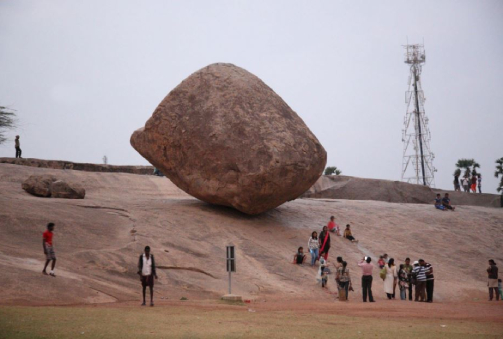
The Descent of the Ganges: - The monolith stands proudly at fifteen feet high and one hundred feet long, one of the largest and most beautiful of its kind in the world, and is smothered in lifelike carvings of humans, elephants, deities and mythical monsters, intertwined and marching in rows across every inch.

Five Rathas:- There are around nine monolithic temples in Mahabalipuram. They are the unique contribution of the Pallavas to Indian art. The monolithic temples are locally called Ratha (Chariot) as they resemble the processional chariots of a temple.

Arujuna's penance: - It is the largest in the world measuring 27 x 9 m. It has over 100 sculptures of deities, birds and beasts and saints. It is popularly called "Arjunan's Penance" as this bas-relief is believed to illustrate an example from the Mahabharata wherein Arjuna, one of the Pandavas, performed a rigorous penance with a prayer to Lord Shiva to obtain the Powerful and Divine Bow.

Transfer to the hotel. 

Overnight in Mahabalipuram.

Day 3 - Mahabalipuram-Pondicherry (100 km / 2 hours)

After breakfast, drive to Kumbakonam.

After visiting Mahabalipuram, leave for Pondicherry. 

Upon arrival you will visit Sri Aurobindo Ashram -  Sri Aurobindo Ashram is a kind of place where you can seek spirituality in a relaxed atmosphere and achieve inner peace by meditating in its serene aura. The magical ambience of this sanctuary makes you forget everything as soon as you enter the ashram and the beautiful scenery will leave you speechless, thus making the overall setting even more spectacular.

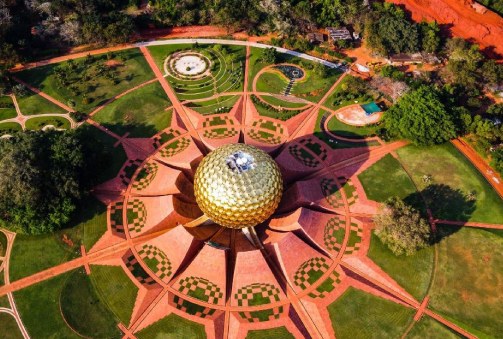
Auroville -  a city dedicated to human unity, tracing its history back to the 20th century, the concept of Auroville Township was developed in June 1965 by Mirra Alfassa, popularly known to her followers as The Mother. She wanted to build a city where people from all over the world, irrespective of their nationality, caste, religion and social status, could live peacefully under one roof.

Pondicherry Beach: -  Pondicherry beaches are the most breathtaking feature of the coastal city of Pondicherry for all the tourists. With its pristine shoreline and a heap of natural beauty filled with sparkling waters and golden sands, some of the best beaches in Pondicherry attract hordes of tourists.

Visit the local market by rickshaw -  This is an exploration of the Tamil quarter of Pondicherry, on foot and by cycle rickshaw. We will see the traditional houses, places of worship and the lively local markets of the district.

Overnight stay in Pondicherry.

Day 4 - Pondicherry-Pichavram (76 Km, 1 hour 50 minutes) Pichavaram-Kumbakonam (87 Km, 2 hours) Kumbakonam-Tanjore (40 Km, 55 minutes)

After breakfast, drive to Tanjore.

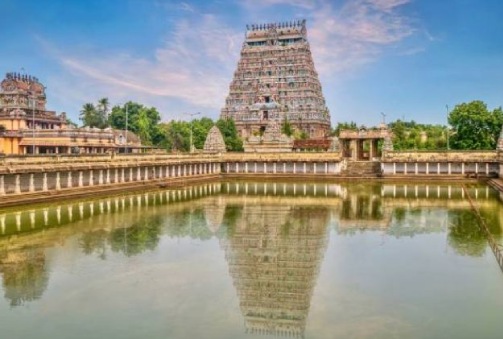
En route visit Chidambaram nataraja - This temple dedicated to Lord Shiva called Nataraja is one of the Five Sabhas [divine stages] where Lord Shiva performed the Cosmic Dance. Chidambaram is a Pancha Bootha Sthalam, representing Akasam (Heaven), one of the five elements of nature.

Pichavaram Mangrove Forest: -  Pichavaram mangrove forest is located between two major estuaries, the Vellar estuary to the north and the Coleroon estuary to the south. The Vellar-Coleroon estuary complex forms the Killai and Pichavaram mangroves. The backwaters are interconnected by the Vellar and Coleroon river systems and offer abundant opportunities for water sports such as rowing, kayaking and canoeing.

On arrival at Kumbakonam visit the Indeco Heritage Museum -  Indeco believes that any object from the past, even a fragment of it, can help provide a deeper and broader understanding of our heritage and way of life, thus creating links with our forgotten history.

Bronze Factory. -  It is indeed a specialized artistic tradition that is unique to the city, hence the bronze idol makers here are known as the "Swamimalai Bronze Icons".

Mahamaham Temple - This is one of the many temples dedicated to Lord Shiva in Kumbakonam. The Goddess is Visalatchi. It has shrines connected to Nine Rivers and visiting this temple is considered auspicious for girls.

On arrival at Tanjore transfer to hotel. 

Overnight stay at Tanjore.

Day 5 - Tanjore-Trichy-Madurai (138 Km, 2 Hours 15 Minutes)

After breakfast the day begins.   

Visit Tanjore:-  Thanjavur is a city in the southern Indian state of Tamil Nadu. Its many temples include the 11th-century Brihadeeswarar Temple, a vast Chola-era complex with frescoed interiors.

Brihadeeswarar Temple - It is one of the largest temples in India and is an example of Dravidian architecture during the Chola period. Built by Emperor Raja Raja Chola I and completed in 1010 AD, the temple completed 1000 years in 2010.

The Thanjavur Maratha Palace houses the centuries-old Saraswathi Mahal Library, with palm-leaf manuscripts, and the Thanjavur Art Gallery, with bronze statues.

The Tamil University Museum displays coins, folk artefacts and musical instruments. Visit the Brihadeeshwara Temple, Thanjavur Royal Palace and Art Gallery.

After visiting Tanjore, leave for Madurai. 

Rock Fort Temple En Route Visit   - Trichy Among the many spectacular sites to visit in Trichi, the Rock Fort Temple is a must-visit. The fort is a massive rock structure built at an altitude of 83 m above sea level. Situated on the banks of the Cauvery River, it is the most famous landmark of Trichi. Halfway up the fort is the Thayumanaswamy Temple, also known as the Rock Fort Temple.

On arrival in Madurai transfer to hotel.

Overnight stay in Madurai. 

Day 6 - Madurai

After breakfast the day begins. 

The Gandhi Museum is located in the old palace of Rani Mangammal. The museum revives the freedom struggle. The Gandhian movement is well represented as an art gallery. Madurai was chosen for this museum because Gandhiji took important decisions during his visits to Madurai. In 1921 he decided to give up his rich dress pattern when he was visiting Madurai.

Vilachery is a pottery village near Madurai. Over 200 families live here and most of them are engaged in pottery. They make dolls for dozens of festivals throughout the year. The papier-mâché dolls made here adorn homes across South India during the 9-day festival of Navratri.

Transfer to the hotel to rest

In the evening visit the temple followed by evening ceremony.

Flowers Market: -  Apart from the breathtaking temples of Madurai, the city’s flower market, located between the central market and the Maatuthavani bus stand, is a vibrant representation of local life that travellers should not miss.

Meenakshi temple: - Arulmigu Meenakshi Amman Temple, also known as Meenakshi Sundareshwarar Temple, is a historic Hindu temple located on the southern bank of the Vaigai River. It is dedicated to the goddess Meenakshi, a form of Parvati, and her consort, Sundareshwarar, a form of Shiva. Built in the 14th century,

Evening Ceremony  - In the late evening, you will witness the amazing pooja (prayer) ceremony at the Meenakshi temple. During the ceremony, the idols of Sundareshwar (an avatar of Lord Shiva) and his consort Meenakshi (an avatar of Parvati) are taken in a grand procession to the bedchamber, where they are kept for the night

Note:  To visit Meenakshi temple, you must follow the dress code which includes shirts/tops and shorts with short sleeves or full sleeves. Sleeveless dresses, shorts or shorts are not allowed. Non-Hindus are not allowed to enter the sanctum sanctorum.

Overnight stay in Madurai.

Day 7 - Madurai-Munnar (160 Km, 4 ore 30 minuti)

After breakfast, drive to Munnar.

Upon arrival, transfer to the hotel and then visit.

Pothemed Viewpoint: Experience the wonderful views of Munnar!  Take a trip to Pothamedu, a hilltop site where you can enjoy beautiful views of mist-shrouded hills and green valleys caressed by cool winds.

Pallivasal Falls, Pallivasal Falls in Munnar is a secluded yet picturesque tourist spot.  These waterfalls are formed by the Muthirappuzhayar River and are among the most popular waterfalls in the area.  Visit the place during monsoons and the sight of water flowing over the rocks will revive your senses.

Blossom Park:- It is a park located in one of the most beautiful places in the country.  Many activities are offered here, such as boating, skating, cycling, etc.  And if you want a quiet visit, admire the trees and a wide variety of beautiful flowers in the park.

Overnight in Munnar.  

Day 8 - Munnar

After breakfast the day begins.

Tea Museum :- Tea has played a vital role in the history of Munnar.  The plantations played a very important role in attracting people to the area.  Tata Tea established a Tea Museum in 2005 that features photographs and machinery chronicling the journey of tea in the area.

Echo Point – About 15 km from Munnar is the famous Echo Point.  Popular for its natural eco phenomenon, you can always find the area packed with enthusiastic visitors throughout the year.  At an altitude of about 600 feet, people love to stroll through the lush greenery surrounding the place.  It is an ideal place for picnics.

Mattupetty   is among the most visited destinations in the tourist hotspot of Munnar.  It is a nice picnic spot that regularly attracts visitors.  People love visiting the dam and lake here and families can regularly be seen enjoying a beautiful afternoon in the area.

Photo Point :- While most of Munnar is photogenic, Photo Point is doubly so.  Just 3 km from the main market of this hill station, this site is a favorite among photographers.  Surrounded by the Tata Tea Gardens of Kanan Devan Hills and a variety of silver oaks, this place is located just off the main road.

Kundala Dam :- About 20 km from Munnar, Kundala Dam is a picturesque tourist spot.  The dam is built on the Periyar River and is surrounded by the green mountain range of the Western Ghats.

The Munnar Rose Garden  is a dreamland for rose lovers.  This garden contains roses of almost every color.  The Rose Garden is home to not only roses, but also hundreds of rare varieties of other flowers and herbaceous plants.  The tea, cardamom and vanilla plantations behind the Rose Garden are very attractive and a lovely place for a quiet walk.

Kathakali Performance:- Kathakali is one of the major Indian classical dance forms. It is an artistic genre of "narrative work", but is distinguished by the richly colored makeup, costumes, and masks worn by traditionally male actor-dancers.

Overnight in Munnar.

Day 9 - Munnar-Thekkady (91 Km, 2 hours 53 minutes)

After breakfast, drive to Thekkady.

Upon arrival you will visit   the spice plantation: - Spices and spice plantations are something unique to Thekkady, Kerala and most of them do not miss this interesting activity. Spices like cardamom require a cool and moderate climate which only Thekkady offers and that is why Thekkady and its surrounding areas are full of cardamom plantations.

Elephant Junction: - Thekkady, located near Kumily, is a great place to learn about elephants, ride them, bathe and shower alongside them. It is a fun and entertaining activity for children and adults.

The boat ride through the Periyar National Park and Wildlife Sanctuary has made it widely known by the name Periyar Lake. Governed by the Kerala Forest and Wildlife Department, the lake receives hundreds of thousands of foot traffic every year. Periyar Lake is located within a protected area and contributes to the conservation of plants, birds, fish and wild animals, some of which are rare, endemic and even endangered.

The spectacle of Kalaripayattu:- Considered one of the oldest and most scientific martial arts in the world, Kalaripayattu was developed in Kerala. Praised as the pride of Kerala, the training begins with a full body oil massage until you are limber and flexible. Feats like chattom (jumping), ottam (running) and marichil (somersault) are also integral parts of this art form.

Later return to the hotel and rest.

Overnight in Thekkady.

Day 10 - Thekkady-Alleppey (141 Km, 3 hours and 30 minutes) (Full board)

After breakfast, driver to Alleppy.

Arrival in Alleppy and transfer to the houseboat, rest of the day dedicated to relaxation.

Alleppey:- Popularly known as the Venice of the East, Alleppey or Allapuzha is famous for its serene backwaters and exceptionally picturesque surroundings. Houseboat cruise in Alleppey is the latest and probably the best addition to the list of ways in which you can enjoy the fascinating natural beauty of this picturesque city. This is one of the most exciting things to do in Alleppey.

Late afternoon boat ride, get off the houseboat and take a smaller boat to observe the daily life of those who live there, these shores have not changed over the centuries. It is surrounded by vast expanses of rice fields and coconut trees that sway gently in the wind.

Full board.

Overnight in Alleppey.

Day 11 - Alleppey-Marari (20 Km, 45 minutes)

After breakfast, drive to Marari. 

Upon arrival in Marari transfer to the hotel.

Leisure time to relax.

Overnight in Marari.

Day 12 - Marari-Kochi (41 Km, 1 hour)

After breakfast, drive to Kochi.

The Mattancherry area: -  has people of different languages ​​and ethnic identities. Churches, agraharams, mosques and a synagogue coexist in the area, along with buildings from the colonial era, which bear witness to a vibrant past and a harmonious present.

Chinese nets: - Chinese nets made of teak wood and bamboo poles work on the principle of balance. Each structure, approximately 10 m high, is fixed to the beach and has an overhang with attached netting that extends over an area of ​​approximately 20 meters.

Jewish Street: - you can choose between curiosities, antique tableware, carved wooden furniture, bronze and brass sculptures, remains of traditional houses and jewelry. Antique sellers love to chat and keep you informed about the origins of the items and their shops. Their lives are colorful memories of a once-strong community whose numbers have dwindled considerably over the years.

The Synagogue: - The Paradesi Synagogue, in a corner of the Jewish City, is more than a hundred years old and houses many rare antiquities. The synagogue, which attracts many visitors, adds to the picturesque charm of Mattancherry.

Dutch Palace: - Although the Dutch Palace was called that, it was the Portuguese who built it. What the Dutch did was just a cosmetic restoration and repair.   During the first decades of the 16th century, the Portuguese looted many temples in Kochi. In 1555 they built the palace and gifted it to King Veera Kerala Varma in the hope of establishing trade relations with the kingdom. When the Dutch came to Kochi much later, they renovated the building.

The Holy Cross Cathedral Basilica in Fort Kochi, Kochi, is one of the nine basilicas in Kerala. Counted as one of the historical buildings of Kerala, this church is one of the most beautiful and impressive in India and visited by tourists throughout the year. It is a place of devotion as well as a center of historical importance, endowed with architectural and artistic grandeur and the colors of the Gothic style.

Dhobi Khana is the place where the Tamil-speaking Vannan community performs laundry work, the profession traditionally practiced by the community. This practice of the Vannan community dates back to the colonial period. The story goes that the Vannans were brought by the king of Kochi from Coimbatore and Tirunelveli to wash the military uniforms of the Portuguese or Dutch. In 1975.

Overnight in Kochi.

Day 13 - Kochi-Agatti (By flight) Agatti-Bangaram (By boat) (Full board)

After breakfast, depart for Laccadive (Bangaram)

Transfer to Kochi airport as per flight schedule for Agatti.

On arrival at Agatti transfer to Bangaram by boat. 

On arrival at Bangaram transfer to hotel. 

Overnight stay at Bangaram.

Day 14 - Bangaram (Full board)

After breakfast the day begins. 

Free time.

Overnight stay at Bangaram.

Day 15 - Bangaram (Full board)

After breakfast the day begins. 

Free time.

Overnight stay at Bangaram.

Day 16 - Bangaram (Full board)

After breakfast the day begins. 

Free time.

Overnight stay at Bangaram.

Day 17 - Bangaram (Full board)

After breakfast the day begins. 

Free time.

Overnight stay at Bangaram.

Day 18 - Bangaram-Agatti (By boat) Agatti-Kochi (By flight)

After breakfast, drive to Kochi.

Transfer to Agatti by boat. 

On arrival at Agatti transfer to Agatti airport as per flight schedule for Kochi. 

Upon arrival in Kochi, transfer to hotel. 

Free time to discover the city on your own. 

Overnight stay in Kochi.

Day 19 - Kochi-Next Destination

Transfer to Kochi airport.

Ciao India Tours wishes you a happy journey. 

Inclusions:

  • 18 nights’ accommodation in 3 star/Heritage hotels with breakfast (Full board in Bangaram), including all existing taxes.
  • All transfers from the airport to the hotel and vice versa as per program.
  • Meet and assist upon arrival by our representative at the airport.
  • All transfers as per program with large air-conditioned car.
  • The flight from Kochi to Agatti.
  • The boat from Agatti to Bangaram.
  • The boat from Bangaram to Agatti.
  • The flight from Agatti to Kochi.
  • Full board in Bangaram.
  • Permit to visit Lakshadweep.
  • Full board in Alleppey.
  • Shikara (traditional boat) ride in Alleppey.
  • One bottle of water per person per day.
  • All taxes included.
  • Toll, Parking, Fuel, Driver's accommodation.

Exclusions:

  • Visa, International flight, Health insurance, cancellation/change of flights, trains, Alcoholic beverages, Tips, Tour guide, Tickets for monuments and activities, personal expenses, Camera etc.
  • Everything that is not included in the inclusions.
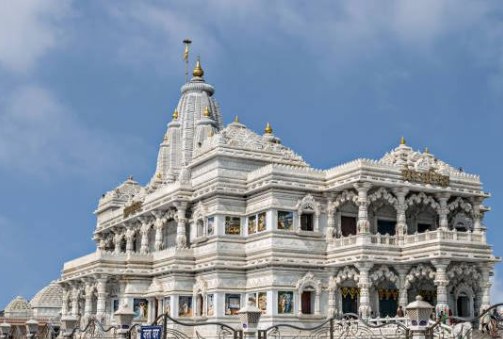
 

Contact us to ask for quote via WhatsApp, Chat, query form or email.
WhatsApp – +919971981381
Email – info@ciaoindiatours.com
All our tours are 100% customizable
Kerala with Lakshadweep – 13 nights/14 days
Price to be reconfirmed – 1296 Euro/pp minimum -02 persons


Kochi-Munnar-Madurai-Thekkady-Alleppey-Ayamanam-Kumarakom-Kochi-Agatti-Bangaram-Kochi

Day 1 - Arrival in Kochi

Arrival at Kochi International Airport
Once you have completed immigration procedures and collected your luggage, our representative will be waiting for you outside the Terminal.
Arrival at the hotel and check-in. Standard check-in 2:00 PM / Check-out 12:00 PM.

Mattancherry area   -  It has people of different languages ​​and ethnic identities. Churches, agraharams, mosques and a synagogue coexist in the area, along with colonial-era buildings, testifying to a vibrant past and harmonious present.

Chinese nets -  Chinese nets made of teak wood and bamboo poles, work according to the principle of balance. Each structure, about 10 m high, is fixed on the beach and has a cantilever with an attached net that extends over a surface of about 20 meters.

Jew Street -  You can choose from curios, antique tableware, carved wooden furniture, bronze and brass sculptures, remnants of traditional houses and jewelry. The antique dealers love to chat and keep you informed about the origins of the items and their shops.

The Synagogue - T he Paradesi Synagogue, in a corner of Jew Town, is over a hundred years old and houses many rare antiques. The synagogue, which woos many visitors, adds to the quaint charm of Mattancherry.

Dutch Palace -  Although the Dutch Palace was named so, it was the Portuguese who built it. What the Dutch did was only a cosmetic restoration and repair.  During the early decades of the 16th century, the Portuguese had plundered many temples in Kochi.

The Cathedral Basilica of Santa Cruz in Fort Kochi, Kochi is one of the nine basilicas of Kerala. Counted as one of the heritage buildings of Kerala, this church is one of the most beautiful and imposing churches in India and visited by tourists throughout the year

Dhobi Khana is the place where the Tamil speaking Vannan community performs laundry work, the profession traditionally practiced by the community. This practice of the Vannan community has been traced back to the colonial period. The story goes that the Vannans were brought by the King of Kochi from Coimbatore and Tirunelveli to wash the army uniforms of the Portuguese or Dutch. In 1975.

Overnight stay in Kochi.

Day 2 - Kochi-Munnar (127 Km, 3 Hours 40 Minutes)

After breakfast, drive to Munnar. 

Pothemed Viewpoint - Experience the beautiful views of Munnar! Take a trip to Pothamedu, a hilltop site where you can enjoy beautiful views of the surrounding mist-shrouded hills and green valleys caressed by cool winds.

Pallivasal Falls, Pallivasal Falls in Munnar is a secluded yet scenic tourist spot. These falls are formed by the Muthirappuzhayar River and are among the popular waterfalls in the area. Visit the place during monsoons and the sight of water flowing down the rocks will enliven your senses.

Blossom park - It is a park located in one of the most beautiful places in the country. Many activities are offered here including boating, skating, cycling, etc. And if you want a quiet visit, admire the trees and a wide variety of beautiful flowers in the park.

Overnight stay in Munnar.

Day 3 - Munnar

After breakfast the day begins.

Tea Museum - Tea has played a vital role in the history of Munnar. Tea plantations have played a huge role in attracting people to the area. Tata Tea established a Tea Museum in 2005 which has photographs and machinery that chronicle the journey of tea in the area.

Echo Point - About 15 km from Munnar is the famous Echo Point. Popular for its natural echo phenomenon, one can always see the area filled with eager visitors throughout the year. At an altitude of about 600 feet, people love to take a walk in the lush greenery surrounding the place. It is an ideal picnic spot.

Mattupetty is among the most visited destinations in the tourist hotbed of Munnar. It is a beautiful picnic spot that regularly attracts visitors. People love to visit the dam and lake here and families can be regularly seen enjoying a nice afternoon in the area.

Photo Point - While most of Munnar is photogenic, Photo Point is doubly so. Just 3 km from the main market of this hill station, this site is a photographer's favourite. Surrounded by the Tata Tea Gardens of Kanan Devan Hills and a series of silver oaks, this spot is located right off the main highway.

Kundala Dam - About 20 km from Munnar, Kundala Dam is a picturesque tourist spot. The dam is built on the Periyar River and is surrounded by the green mountain range of Western Ghats. The area also has cherry trees, which bloom twice a year, adding to the beauty of the place.

The Rose Garden in Munnar is a dreamland for rose lovers. This garden contains roses of almost every color. The Rose Garden is home to not only roses but also hundreds of rare varieties of other flowers and herbal plants. The tea, cardamom and vanilla plantations that are located behind the Rose Garden are very attractive and a lovely place to take a leisurely stroll. Seasonal tropical fruits like strawberries, lychees, rambutan, amla and vegetables like cauliflower, cabbage, potatoes and beans are grown here.

Overnight stay in Munnar.

Day 4 - Munnar-Madurai (160 Km, 3 Hours 55 Minutes)

After breakfast, drive to Madurai. 

The Gandhi Museum is located in the old palace of Rani Mangammal. The museum revives the freedom struggle. The Gandhian movement is well represented as an art gallery. Madurai was chosen for this museum because Gandhiji took important decisions during his visits to Madurai.

Vilachery is a pottery village near Madurai. Over 200 families live here and most of them are engaged in pottery. They make dolls for dozens of festivals throughout the year. The papier-mâché dolls made here adorn homes across South India during the 9-day festival of Navratri.

Then check in to the hotel and time to rest

In the evening visit the temple followed by evening ceremony at 9:00 PM.

Meenakshi temple - Arulmigu Meenakshi Amman Temple, also known as Meenakshi Sundareshwarar Temple, is a historic Hindu temple located on the southern bank of the Vaigai River. It is dedicated to the goddess Meenakshi, a form of Parvati, and her consort, Sundareshwarar, a form of Shiva. Built in the 14th century.

Evening Ceremony - In the late evening, you will witness the amazing pooja (prayer) ceremony at the Meenakshi temple. During the ceremony, the idols of Sundareshwar (an avatar of Lord Shiva) and his consort Meenakshi (an avatar of Parvati) are taken in a grand procession to the bedchamber, where they are kept for the night

Note:  To visit Meenakshi temple, you must follow the dress code which includes shirts/tops and shorts with short sleeves or full sleeves. Sleeveless dresses, shorts or shorts are not allowed. Non-Hindus are not allowed to enter the sanctum sanctorum.

Overnight stay in Madurai.

Day 5 -Madurai-Thekkady (141 Km, 3 hours 30 minutes)

After breakfast, Drive to Thekkady

On arrival visit to spice plantation -  Spice and spice plantations are something unique to Thekkady, Kerala and most of them do not miss this interesting activity. Spices like cardamom require a very moderate cool climate which only Thekkady offers and that is why Thekkady and surrounding places are full of cardamom plantations.

Elephant Junction - Thekkady, located near Kumily, is an excellent place to learn about elephants, go for elephant rides, take baths and showers with them. It is a fun and entertaining activity for kids and adults.

Boat Ride  at Periyar National Park & ​​Wildlife Sanctuary has ensured that it is widely known as Periyar Lake. Governed by the Kerala Forest and Wildlife Department, the lake sees hundreds of thousands of foot traffic every year. Periyar Lake is located within a protected area and helps in the conservation of plants, birds, fish and wild animals, some of which are rare, endemic and even endangered.

Later return to the hotel and relax.

Overnight stay in Thekkady.

Day 6 - Thekkady-Alleppey (141 Km, 3 hours 30 minutes) (Full Board)

After breakfast, drive to Alleppy.

Arrive in Alleppy and transfer to hosueboat, rest of the day dedicated to relaxation.

Alleppey:-  Popularly known as the Venice of the East, Alleppey or Allapuzha is famous for its serene backwaters and their exceptionally scenic surroundings. Houseboat cruise in Alleppey is the latest and probably the best addition to the list of ways you can enjoy the mesmerizing natural beauty of this quaint town. This is one of the most exciting things to do in Alleppey.

Boat tour in the late afternoon get off the houseboat and take a smaller boat to observe the daily life of those who live there, these shores have not changed over the centuries. Vast expanses of rice paddies and coconut trees that gently sway with the wind surround you.

Overnight stay in Alleppey on a Houseboat with Full board.

Day 7 - Alleppey - Ayemanam - Kumarakom - Kochi (53 km, 1 hour and 30 minutes)

After breakfast, depart for Kochi.

visit Ayemanam: - Tucked away on the outskirts of Kottayam city, the tiny village of Ayemanam has its own special story to tell. Famous for its unparalleled natural beauty and abundant cultural diversity, it is yet another lesser-explored treasure of God's Own Country. Flanked by the imposing Vembanad Lake on the western side and the mighty Meenachil River on the other, nature has blessed these parts with many gifts. Visitors love a relaxing cruise through these picturesque waters.

Kumarakom Bird Sanctuary: - Kumarakom Bird Sanctuary is among the most famous birdwatching spots in the country. Spread over 14 hectares, numerous rare avian species can be found here. Located on the banks of Vembanad Lake In Kottayam, you can see a variety of migratory birds gathering in their thousands, from places like the Himalayas to Siberia.

Upon arrival in Kochi, transfer to your hotel.
Overnight in Kochi.

Day 8 - Kochi-Agatti (By flight) Agatti-Bangaram (By boat) (Full board)

After breakfast, depart for Laccadive (Bangaram)

Transfer to Kochi airport as per flight schedule for Agatti.

On arrival at Agatti transfer to Bangaram by boat. 

On arrival at Bangaram transfer to hotel. 

Overnight stay at Bangaram.

Day 9 - Bangaram (Full board)

After breakfast the day begins. 

Free time.

Overnight stay at Bangaram.

Day 10 - Bangaram (Full board)

After breakfast the day begins. 

Free time.

Overnight stay at Bangaram.

Day 11 - Bangaram (Full board)

After breakfast the day begins. 

Free time.

Overnight stay at Bangaram.

Day 12 - Bangaram (Full board)

After breakfast the day begins. 

Free time.

Overnight stay at Bangaram.

Day 13 - Bangaram-Agatti (By boat) Agatti-Kochi (By flight)

After breakfast, drive to Kochi.

Transfer to Agatti by boat. 

On arrival at Agatti transfer to Agatti airport as per flight schedule for Kochi. 

Upon arrival in Kochi, transfer to hotel. 

Free time to discover the city on your own. 

Overnight stay in Kochi.

Day 14 - Kochi-Next Destination

Inclusions:

  • 14 nights’ accommodation in 3 star/Heritage hotels with breakfast (Full board in Bangaram), including all existing taxes.
  • All transfers from the airport/station/port to the hotel and vice versa as per program.
  • All transfers as per program with medium air-conditioned car.
  • Meet and assist upon arrival by our representative at the airport.
  • Full board in Laccadive.
  • The flight from Kochi to Agatti.
  • The boat from Agatti to Bangaram.
  • The boat from Bangaram to Agatti.
  • The flight from Agatti to Kochi.
  • Full board in Alleppey.
  • Shikara (traditional boat) ride in Alleppey.
  • One bottle of water per person per day.
  • All taxes included.
  • Toll, Parking, Fuel, Driver's accommodation.

Exclusions:

  • Visa, International flight, Health insurance, cancellation/change of flights, trains, Alcoholic beverages, Tips, Tour guide Tickets for monuments and activities, personal expenses, Camera etc.
  • Everything that is not included in the inclusions.
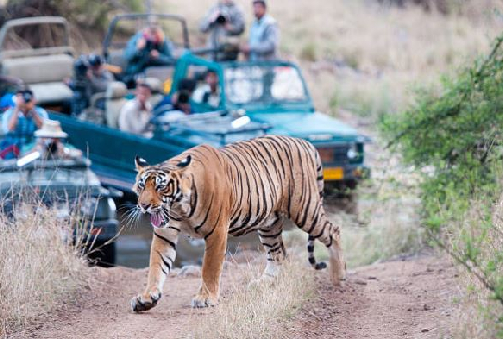
 

Contact us to ask for quote via WhatsApp, Chat, query form or email.
WhatsApp – +919971981381
Email – info@ciaoindiatours.com


Receive free quote